新潟
photographs, 2021‐
第一章:雁木*1のうた
Chapter 1:The Song of the Gangi*1
1-1
1-2
1-3
1-4
1-5
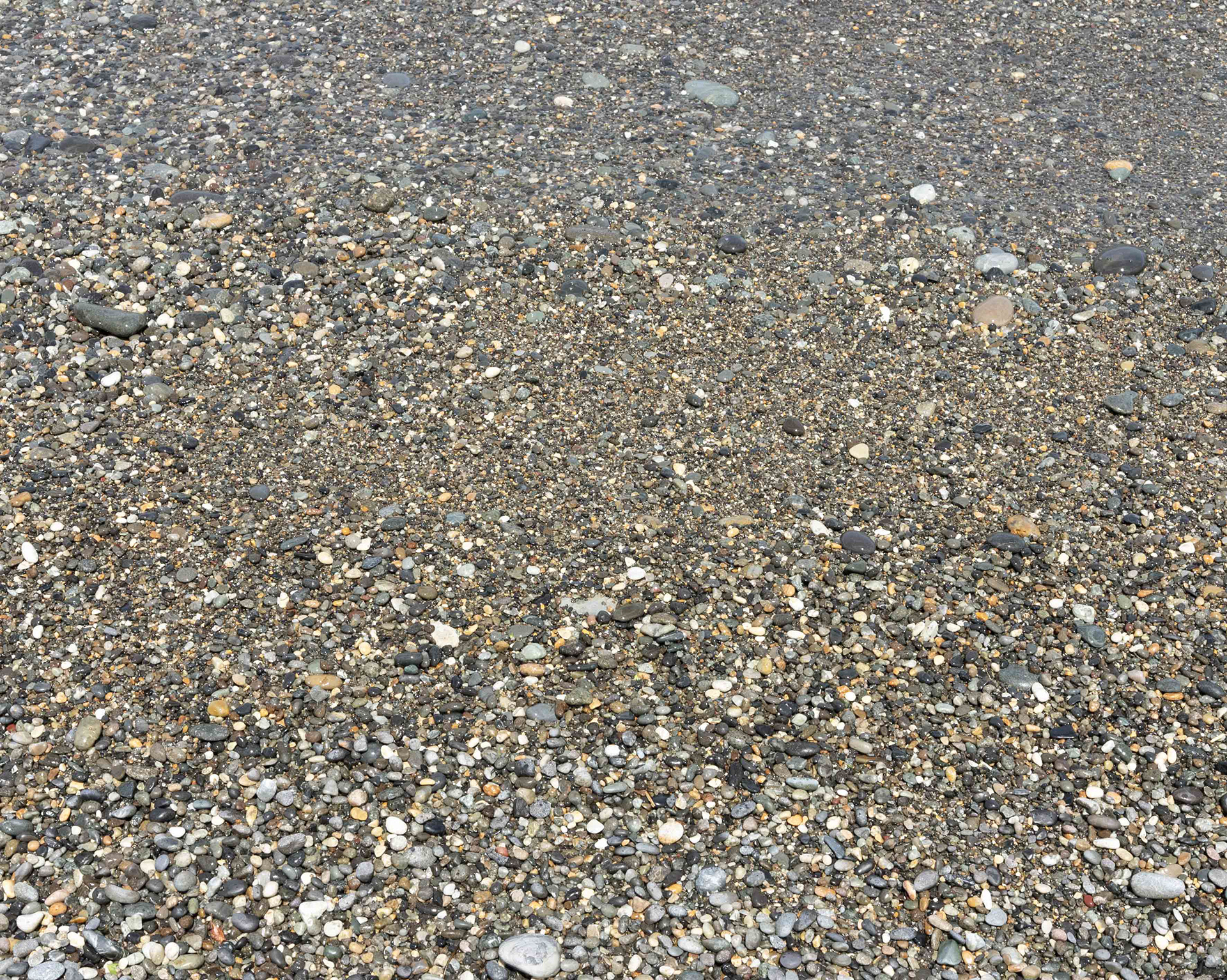
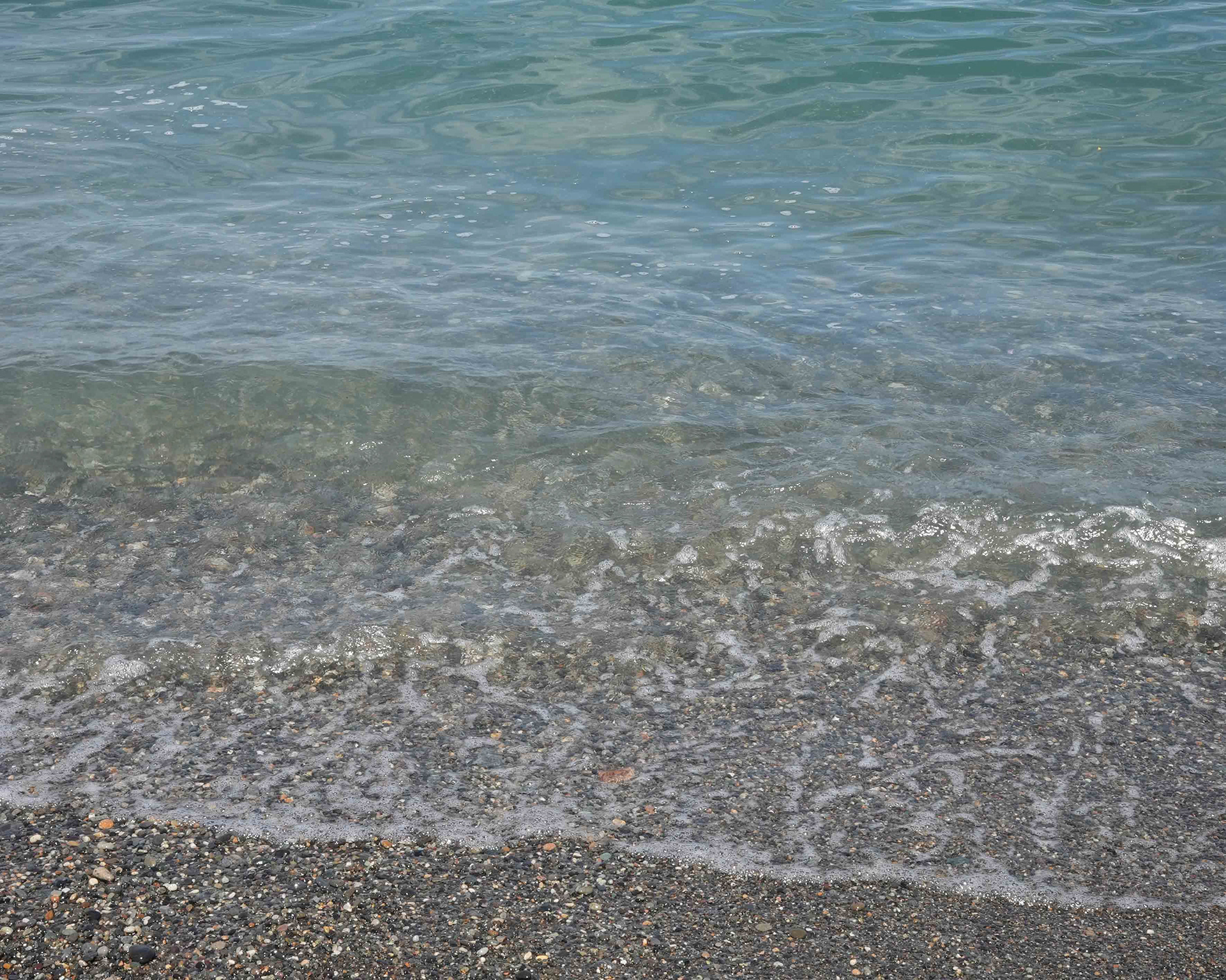
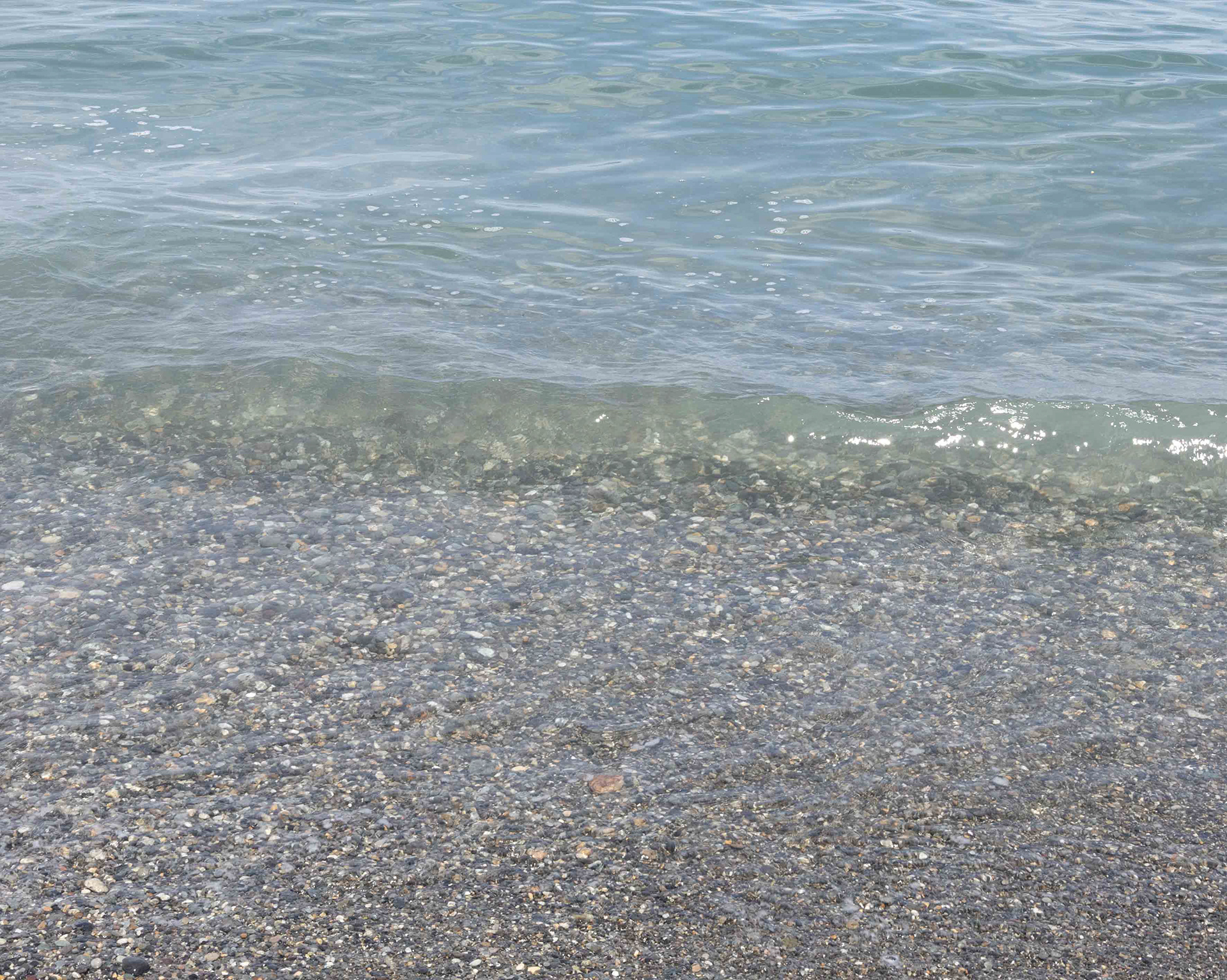
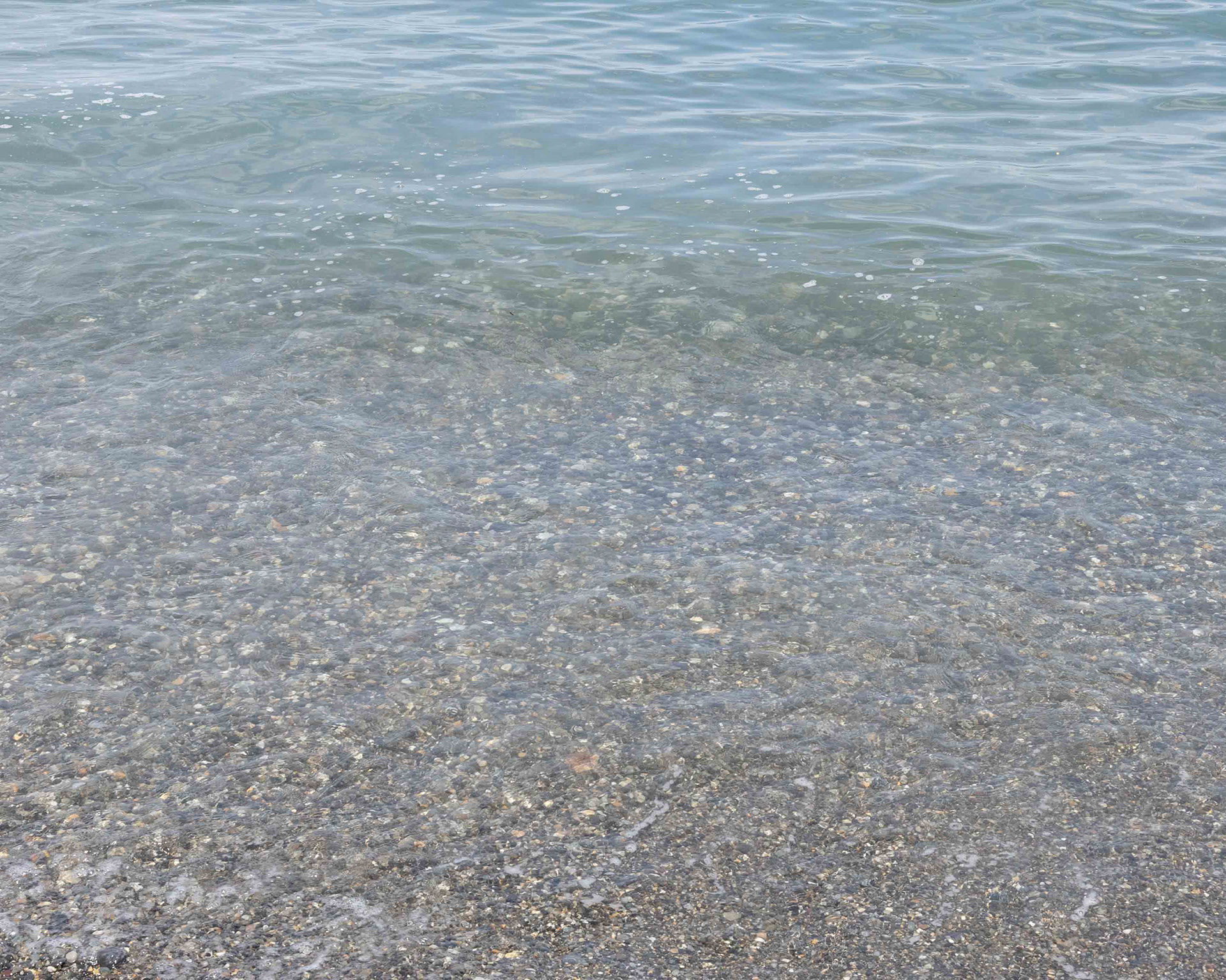
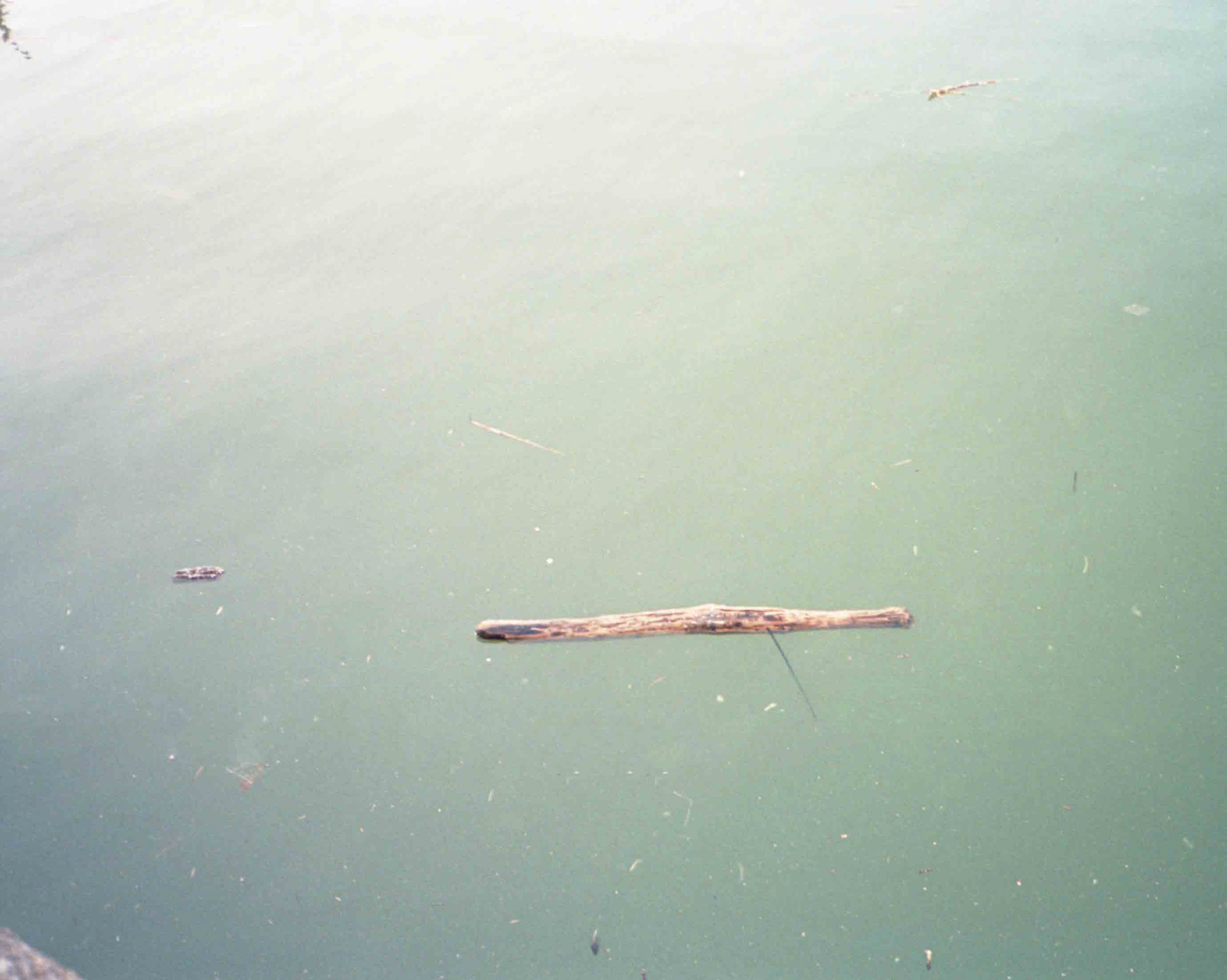
1-6
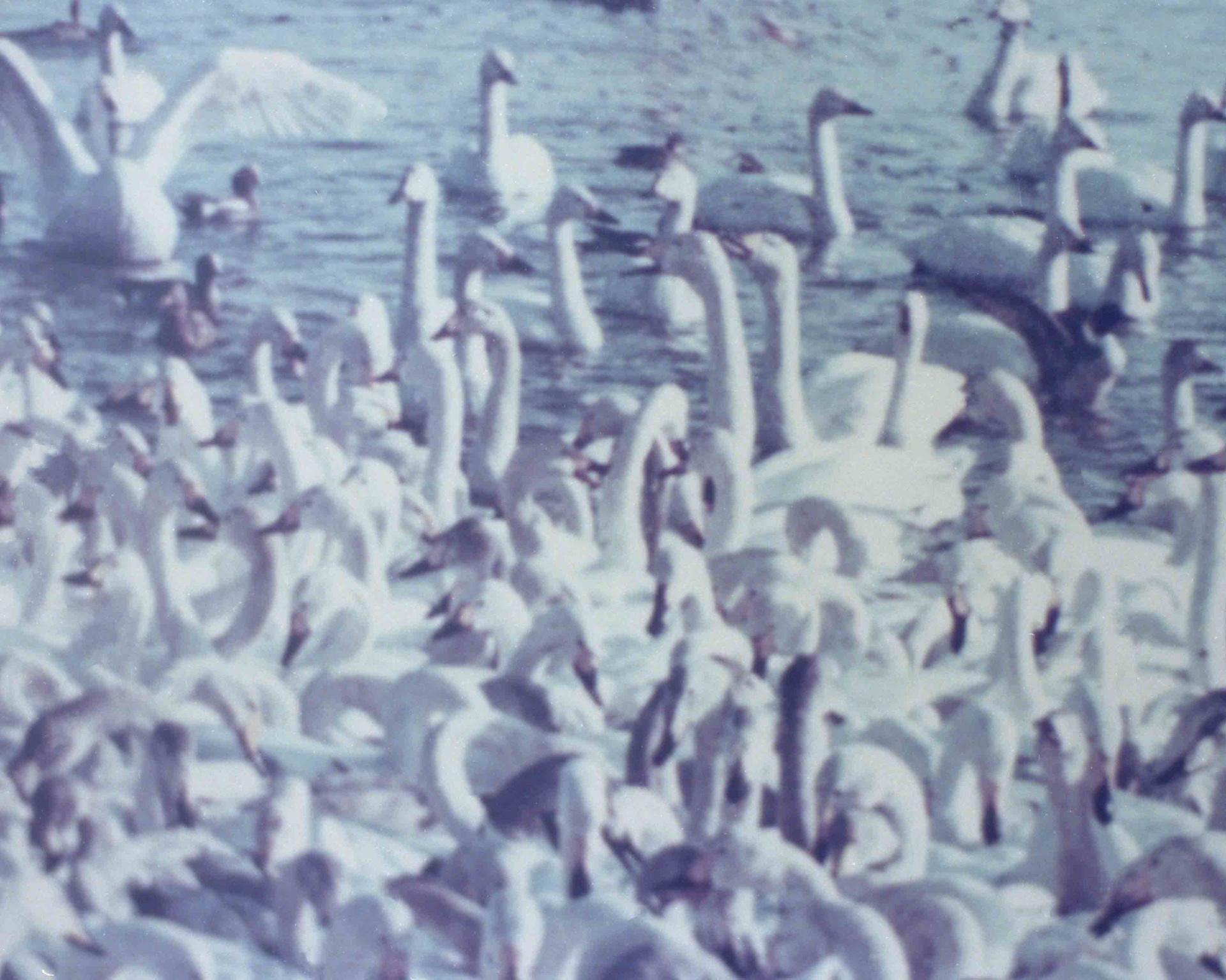
1-7
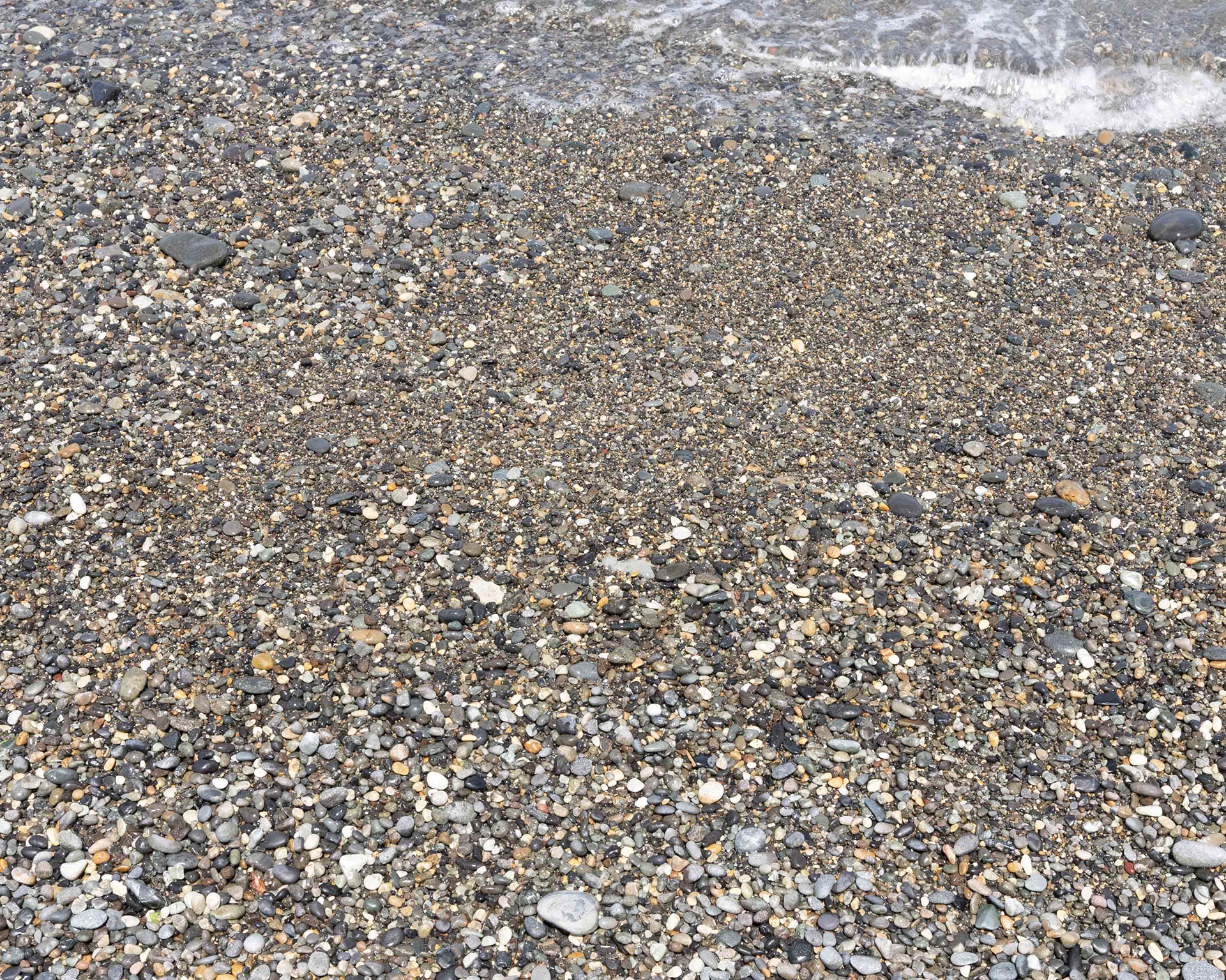
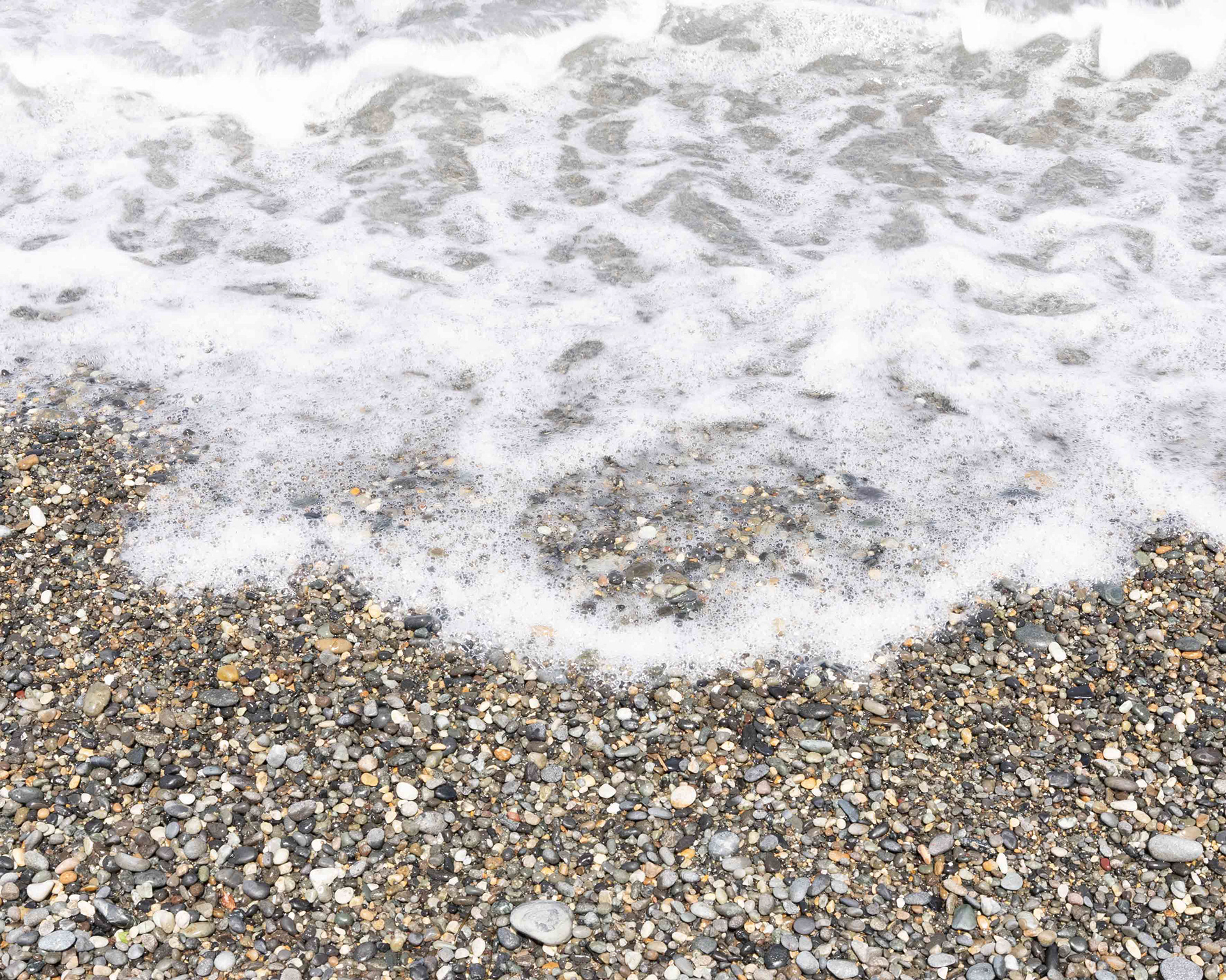
1-8
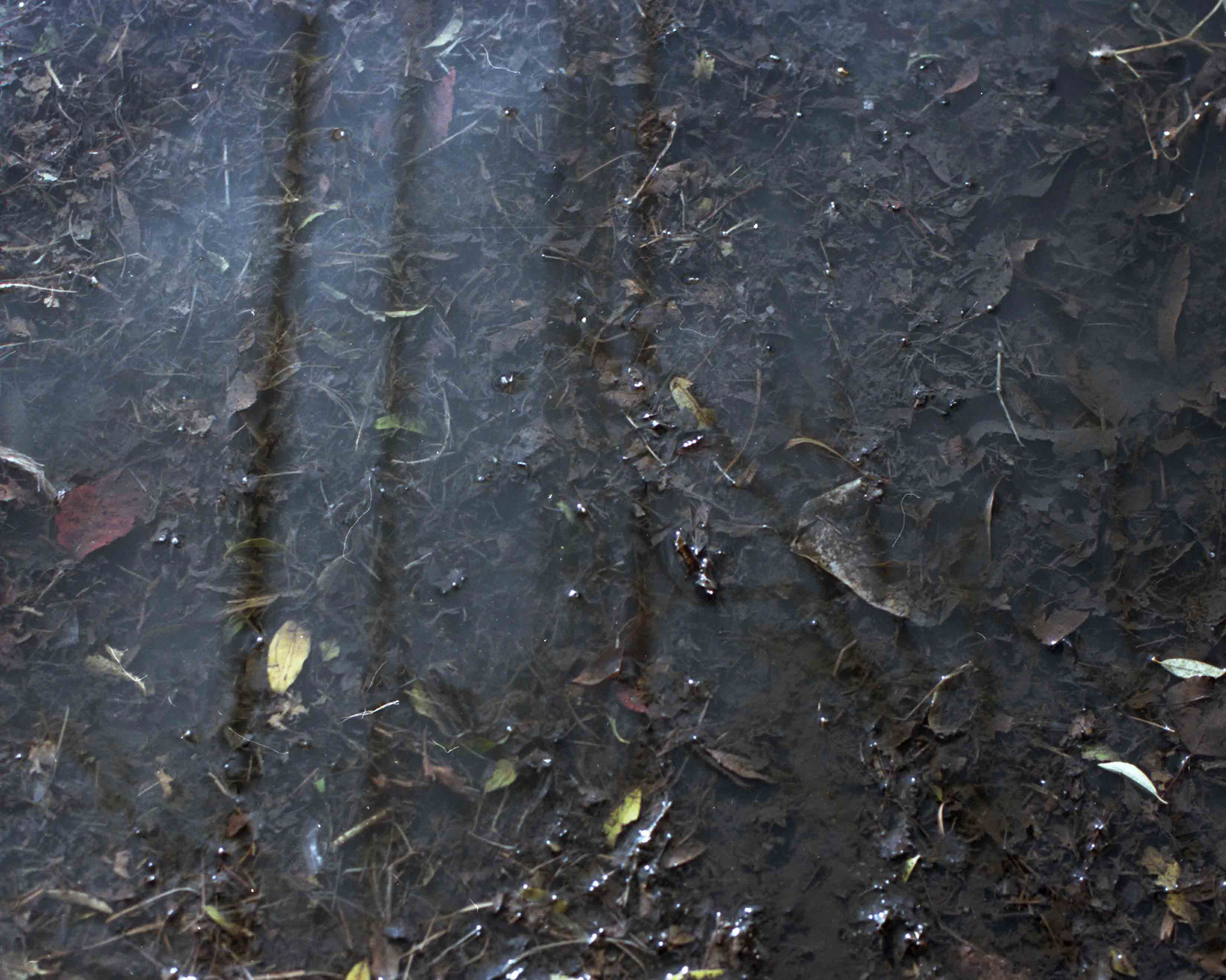
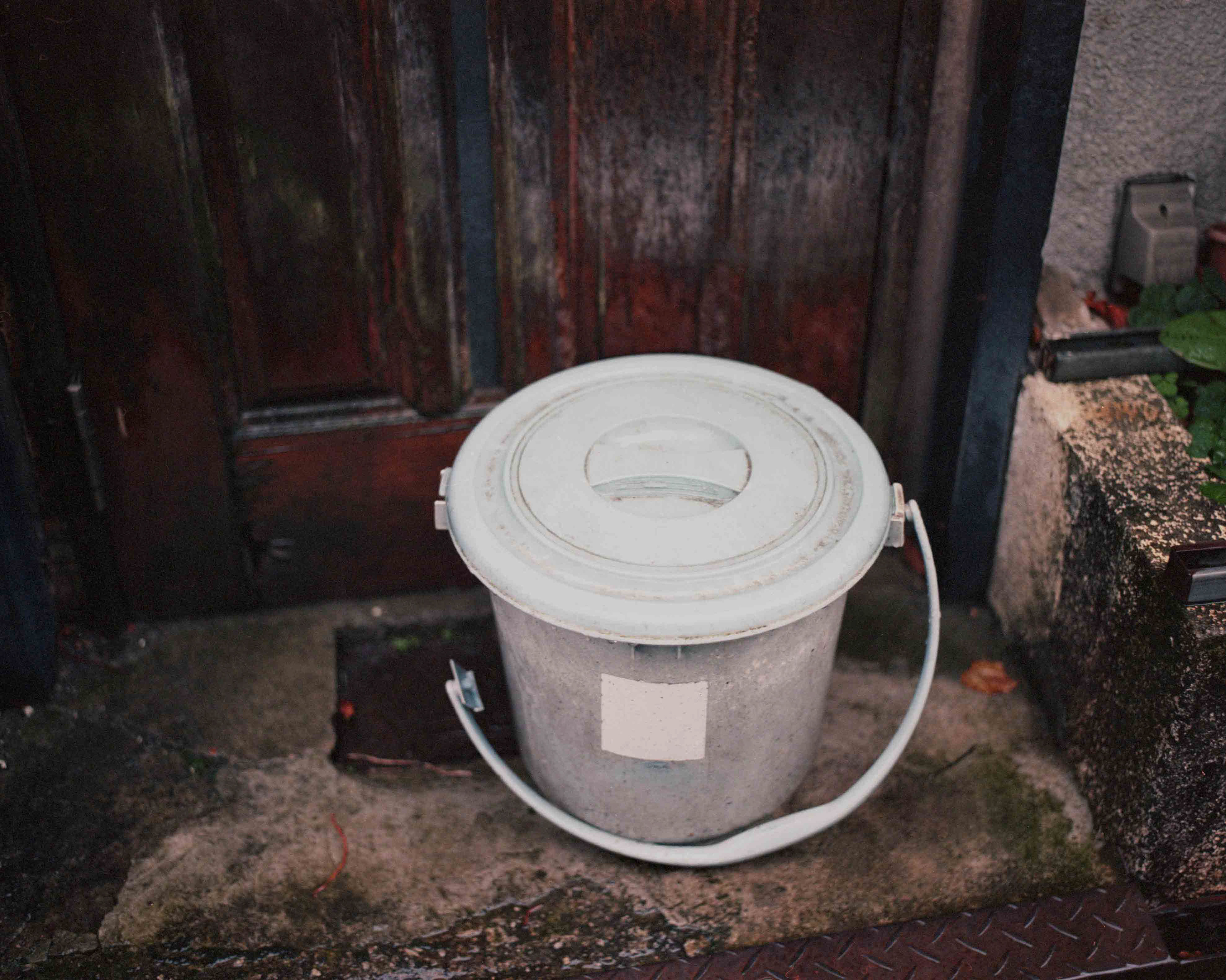
1-9
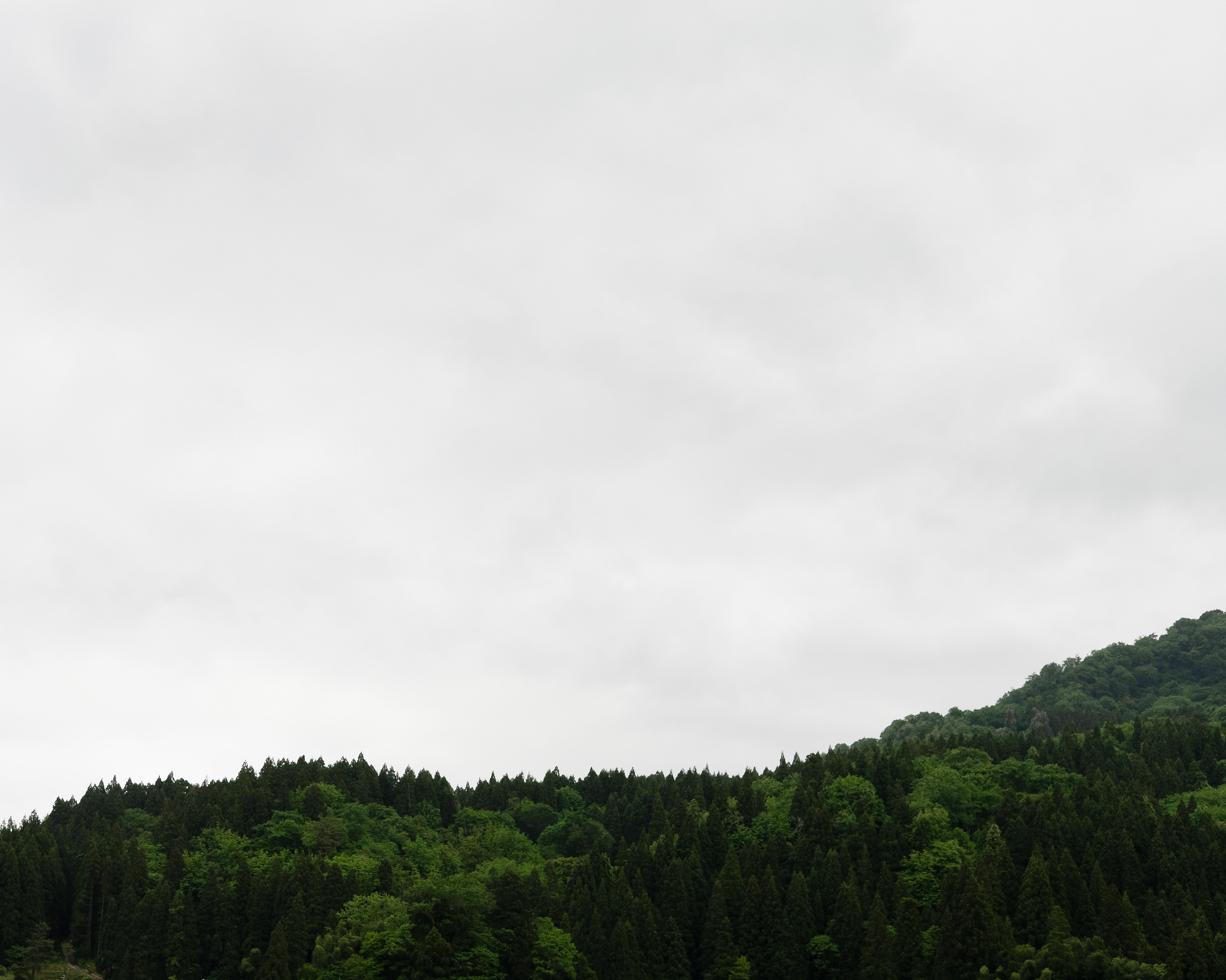
1-1
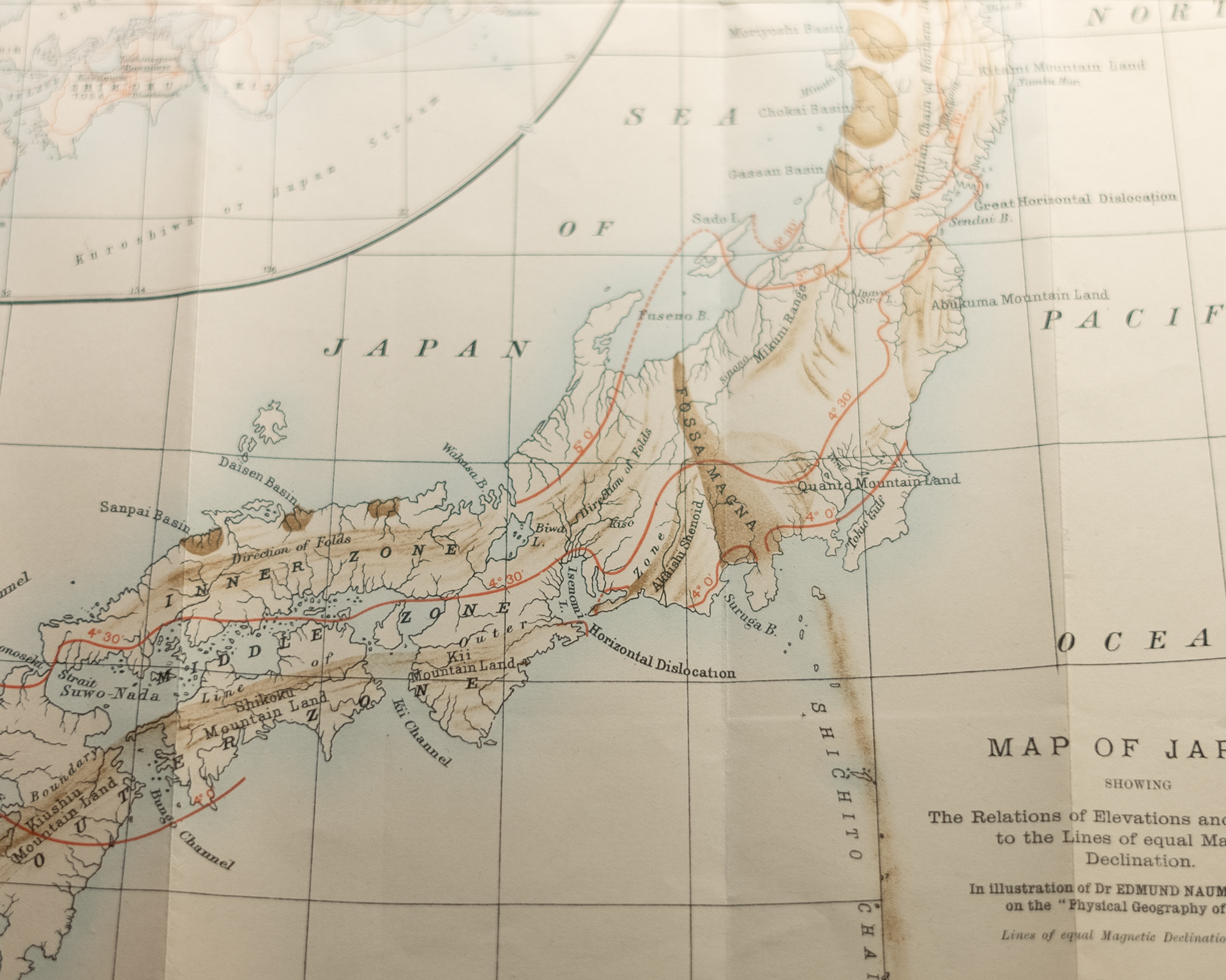
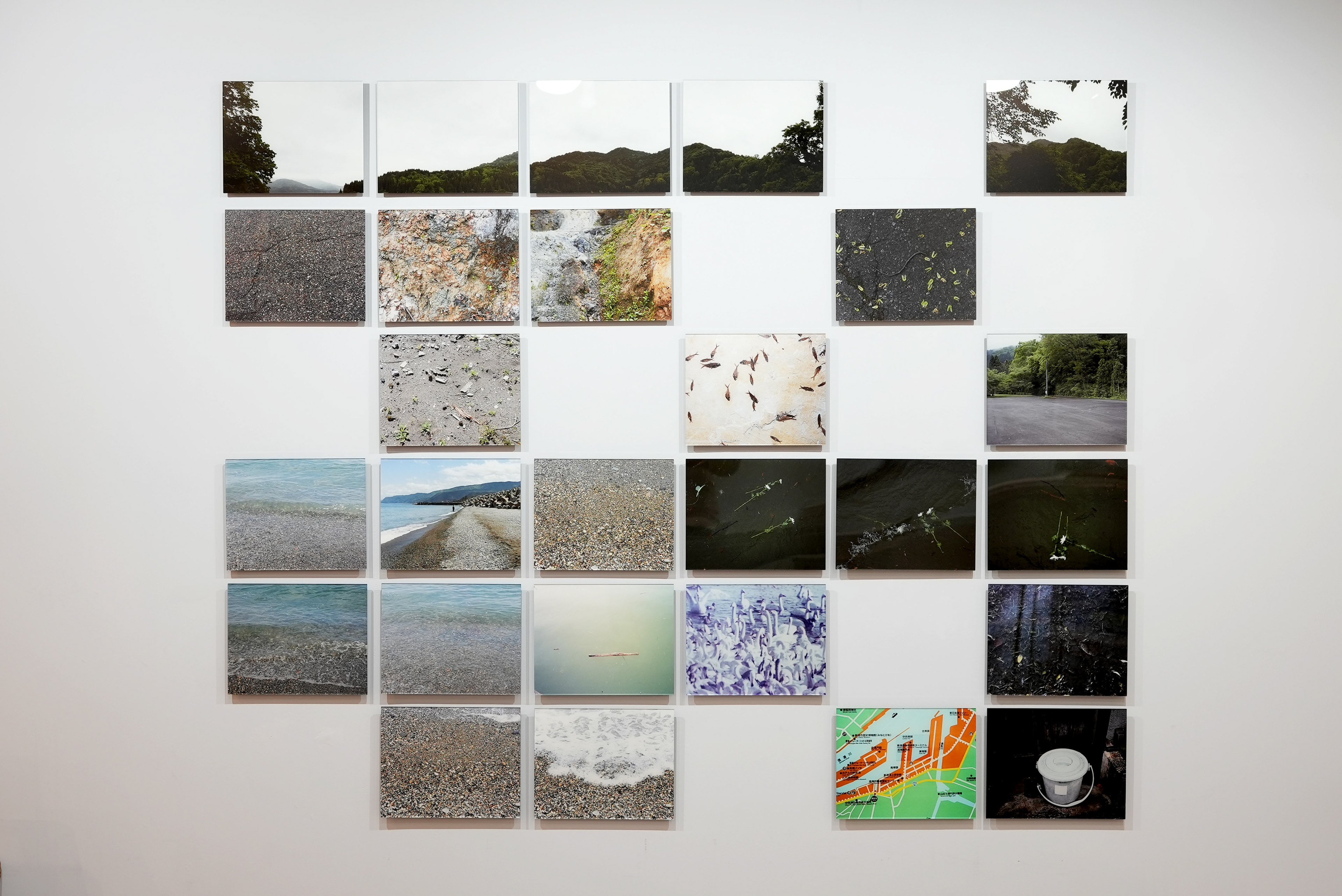
フォッサマグナ*2の糸魚川―静岡構造線上*3に連なる山々
The mountains stretching above the Itoigawa-Shizuoka Tectonic Line*2 of the Fossa Magna*3
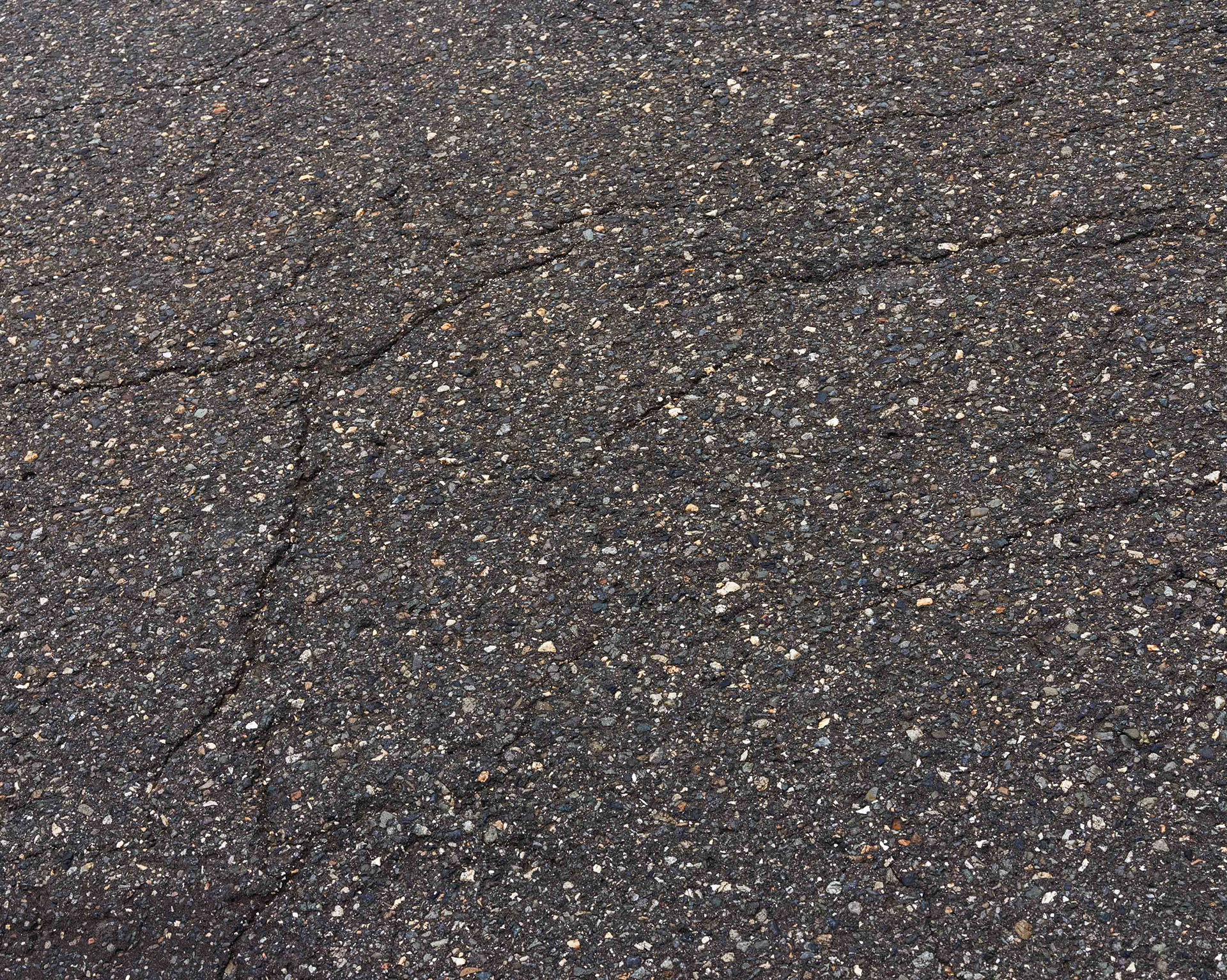
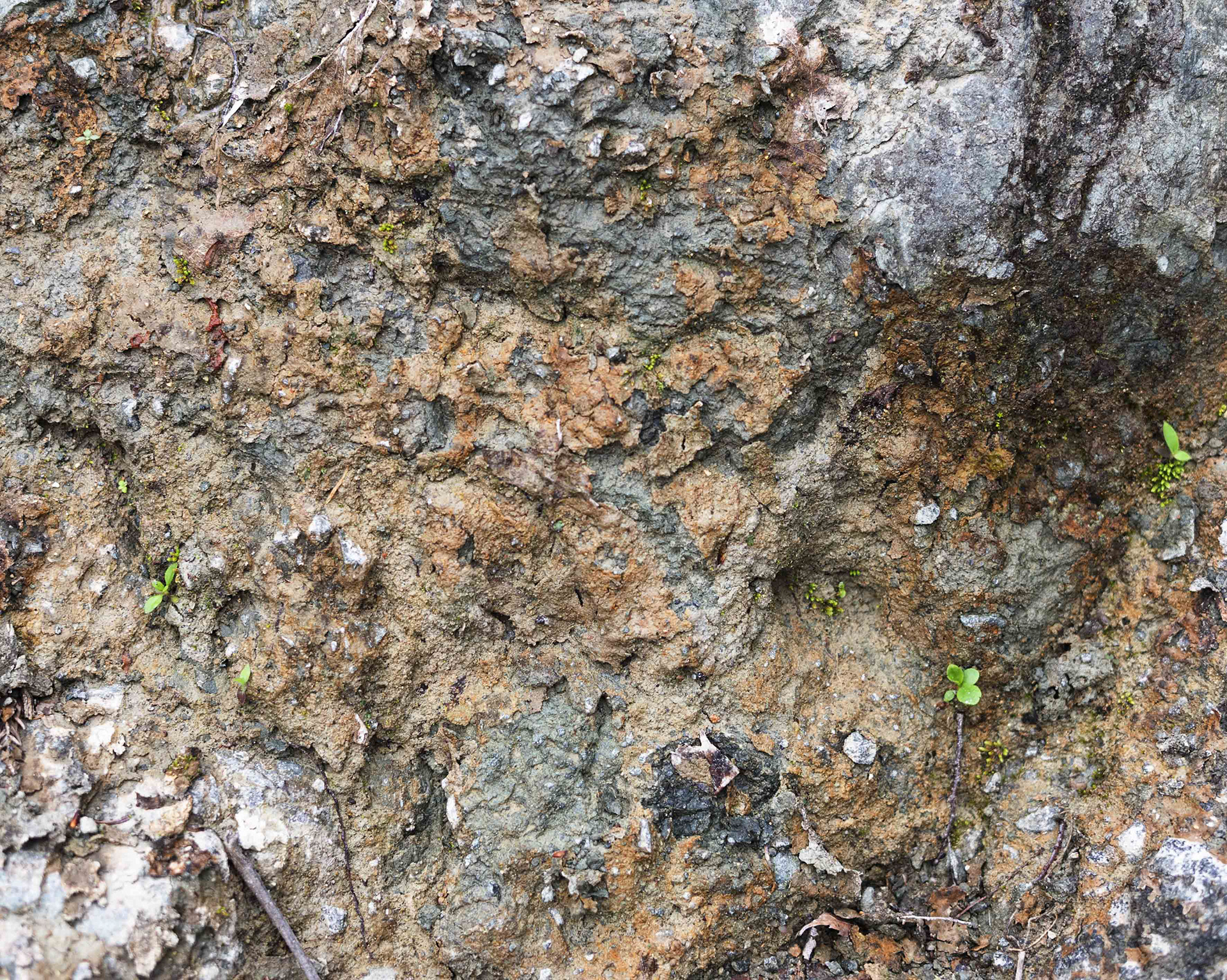
1-2
糸魚川―静岡構造線の断層露頭
The fault outcrop of the Itoigawa-Shizuoka Tectonic Line
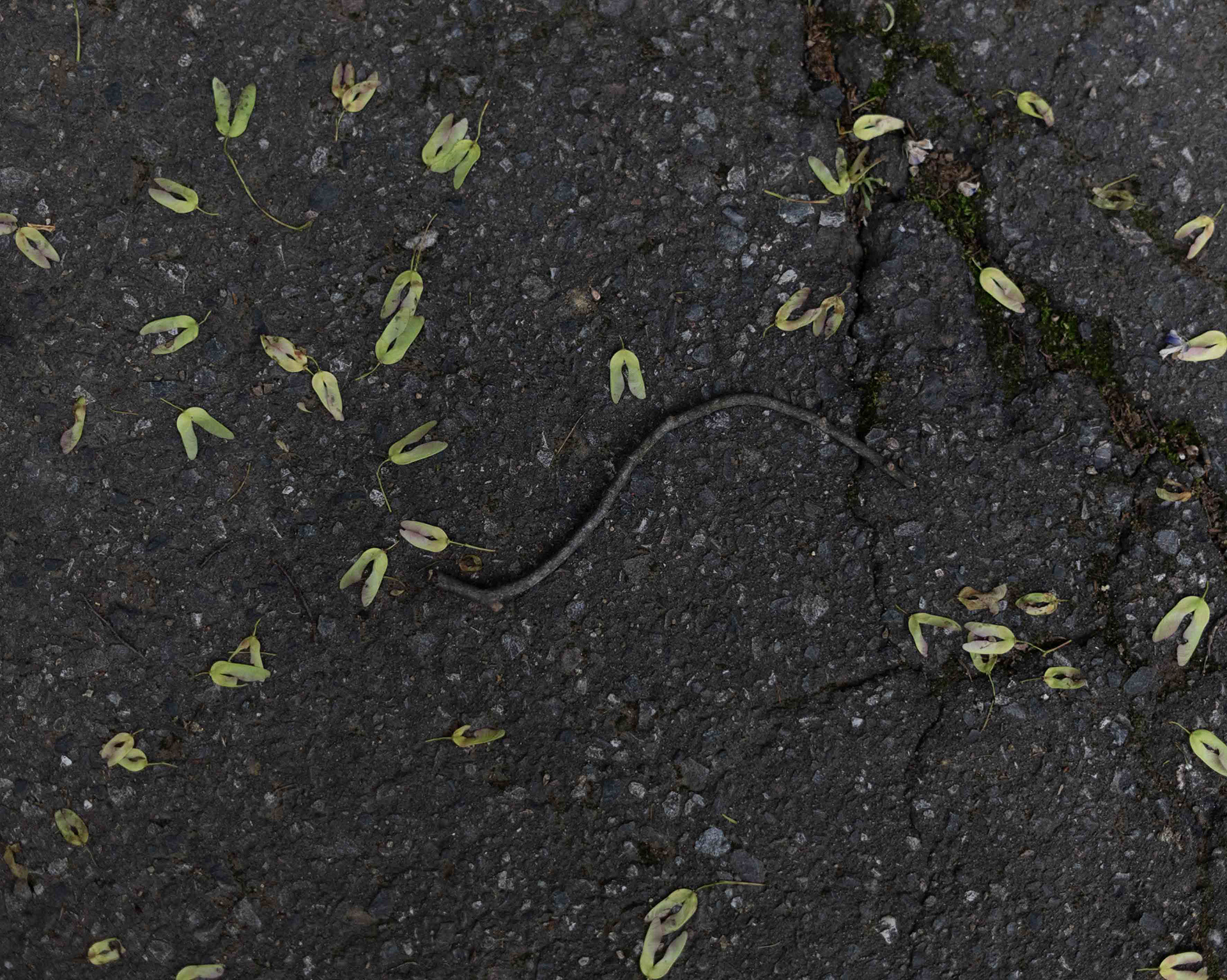
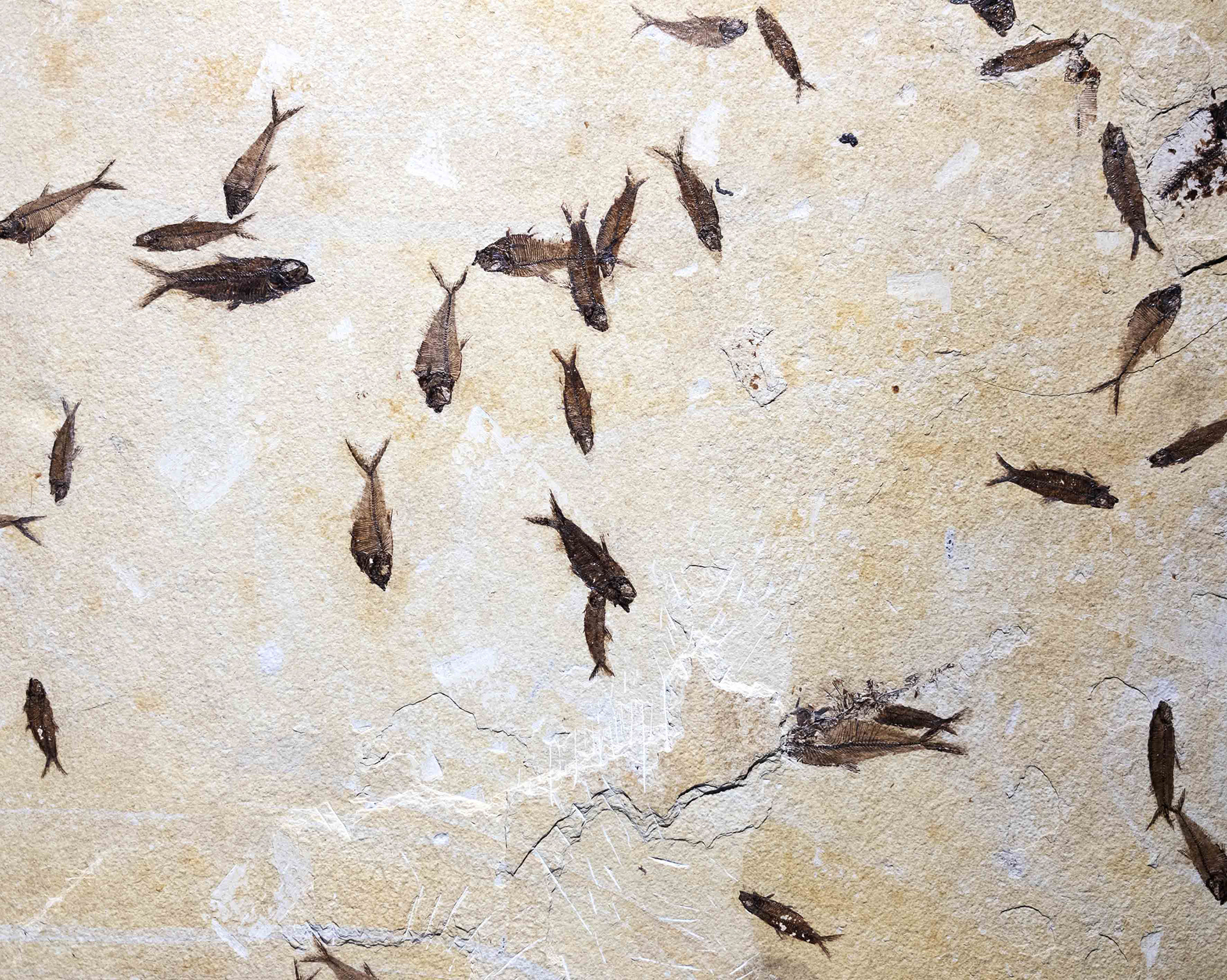
1-3
フォッサマグナミュージアムに展示してある、アメリカ・ワイオミング州で発見されたナイティアの化石
Knightia fish fossil found in Wyoming, USA, on display at the Fossa Magna Museum
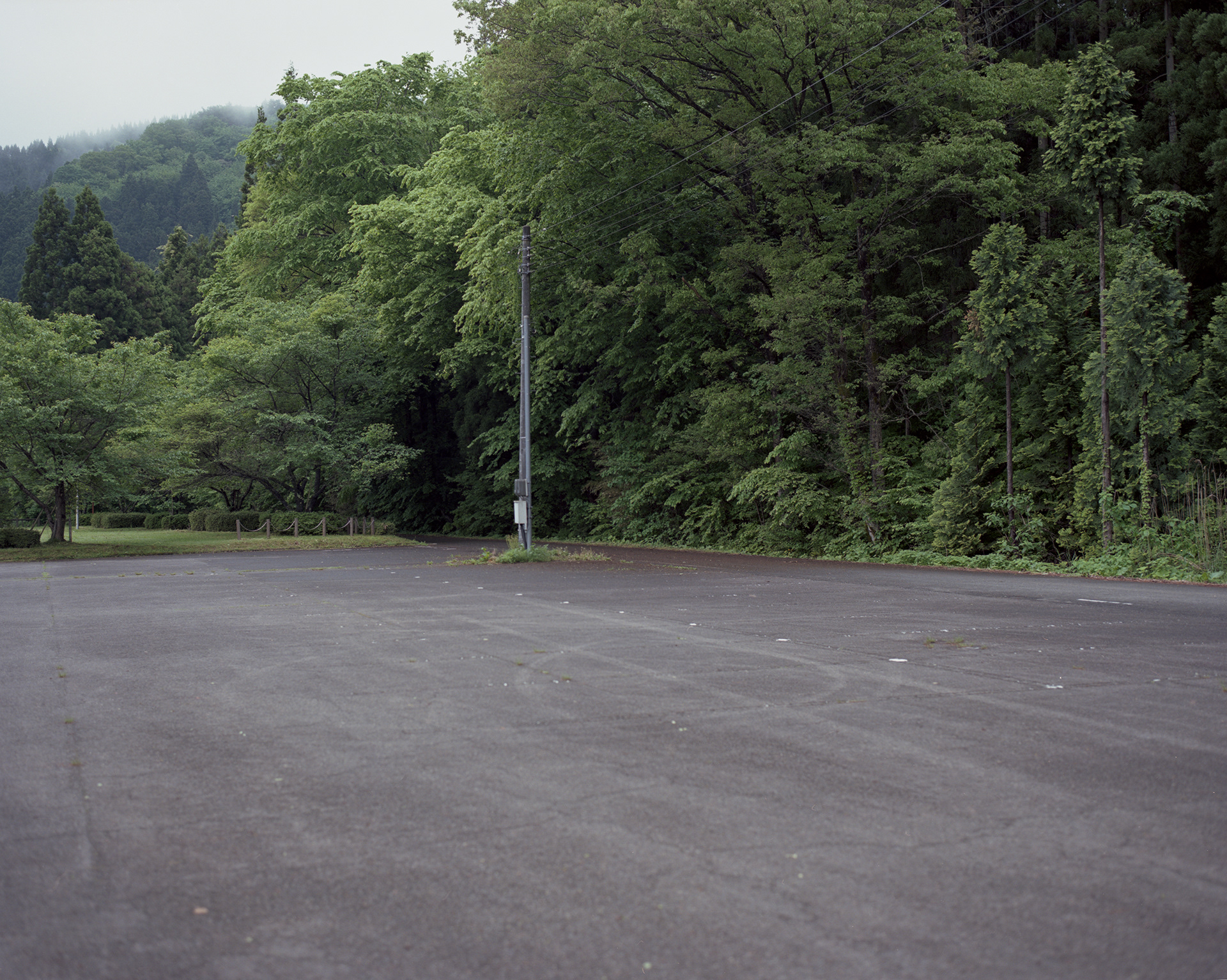
1-4
北緯38度線付近
Near the 38th parallel north
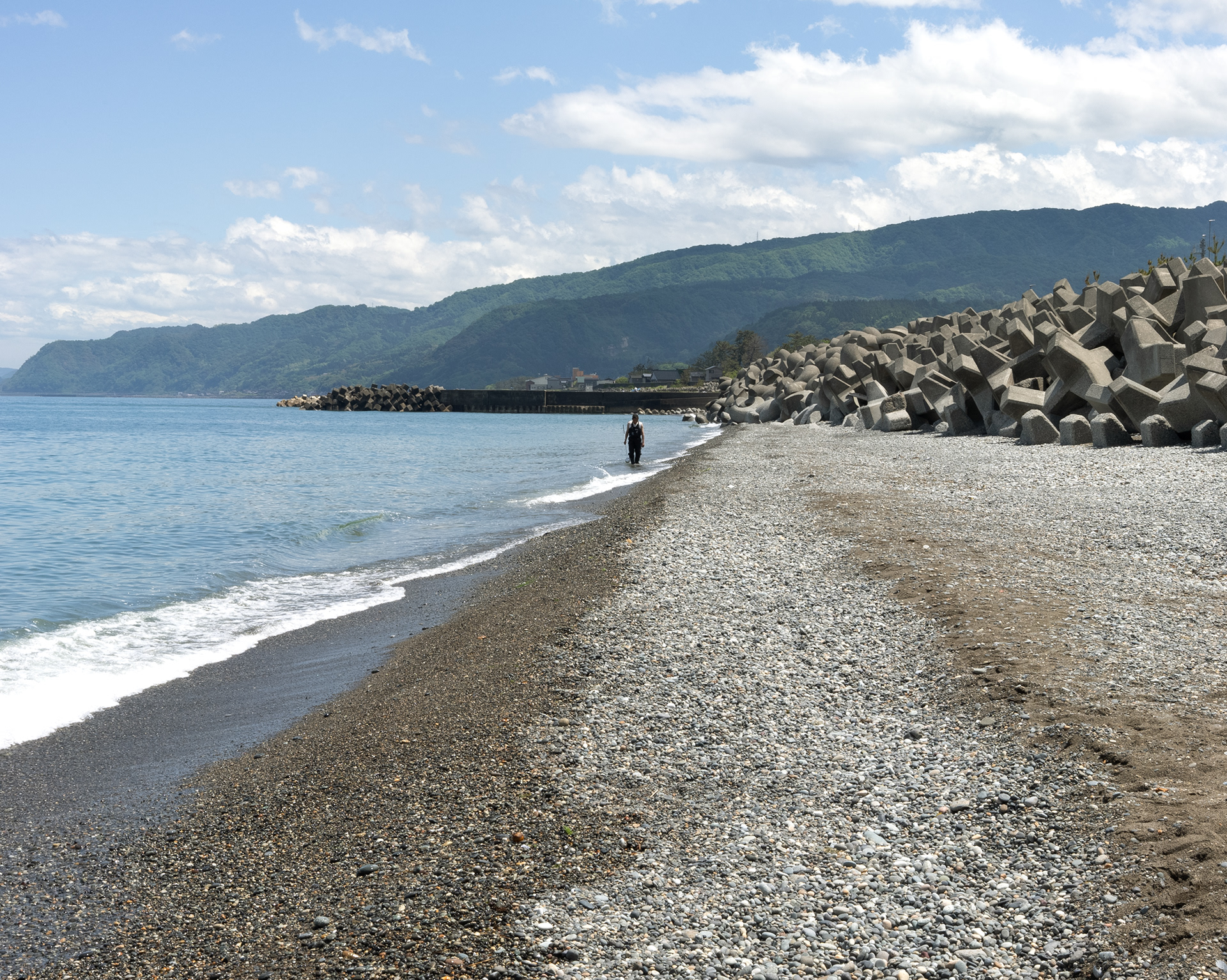
1-5
川を伝いひすい*4が流れ着く海岸沿い
The coastline where jade*4 drifts down the river
1-6
帰国事業の船が発着していた中央埠頭
Central Pier, where ships for the repatriation project to North Korea used to dock
1-7
瓢湖にあるシベリア・カムチャツカ半島から越冬にやってきた白鳥の記録写真
A photograph documenting swans that arrived at Lake Hyō from the Siberian Kamchatka Peninsula to spend the winter
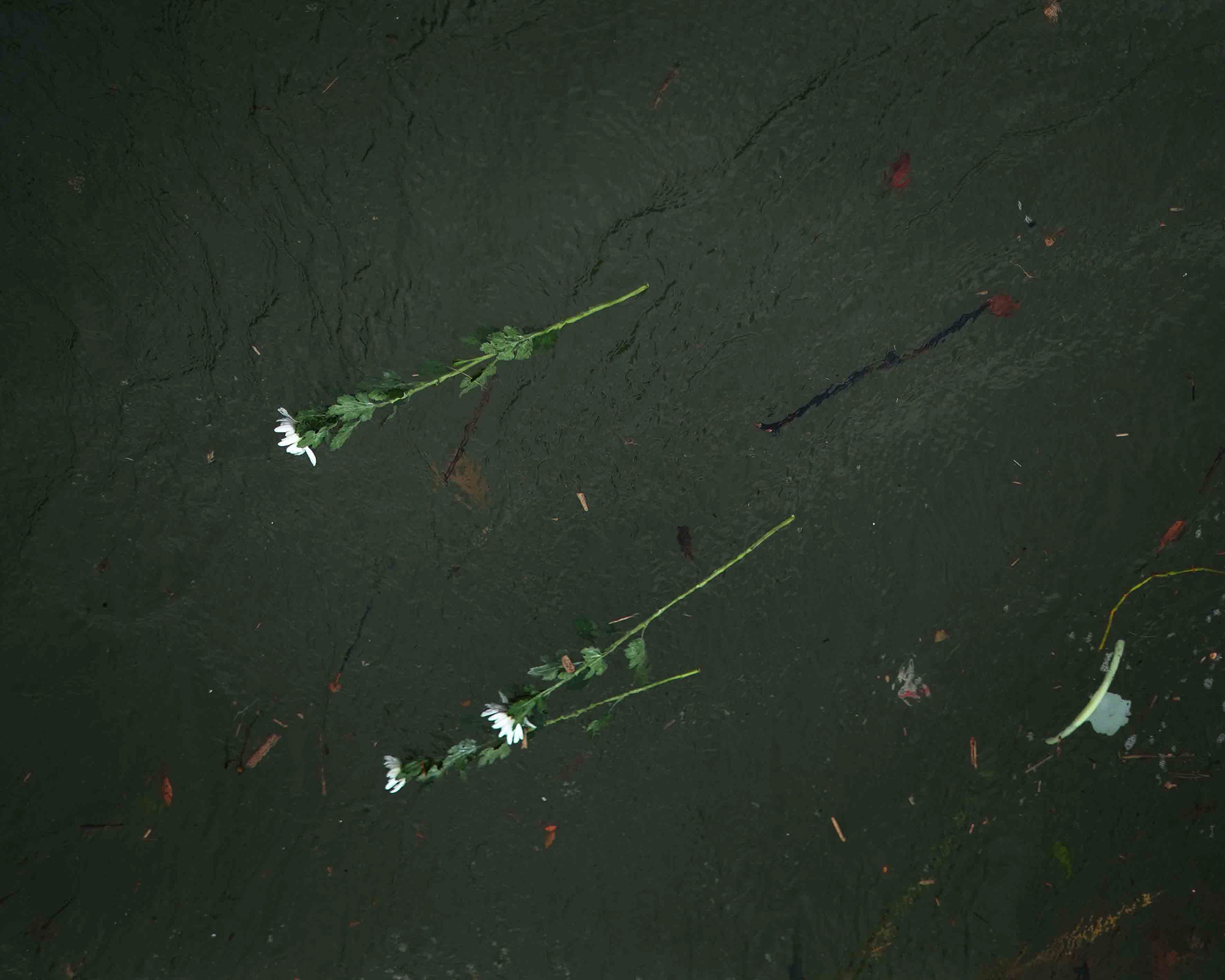
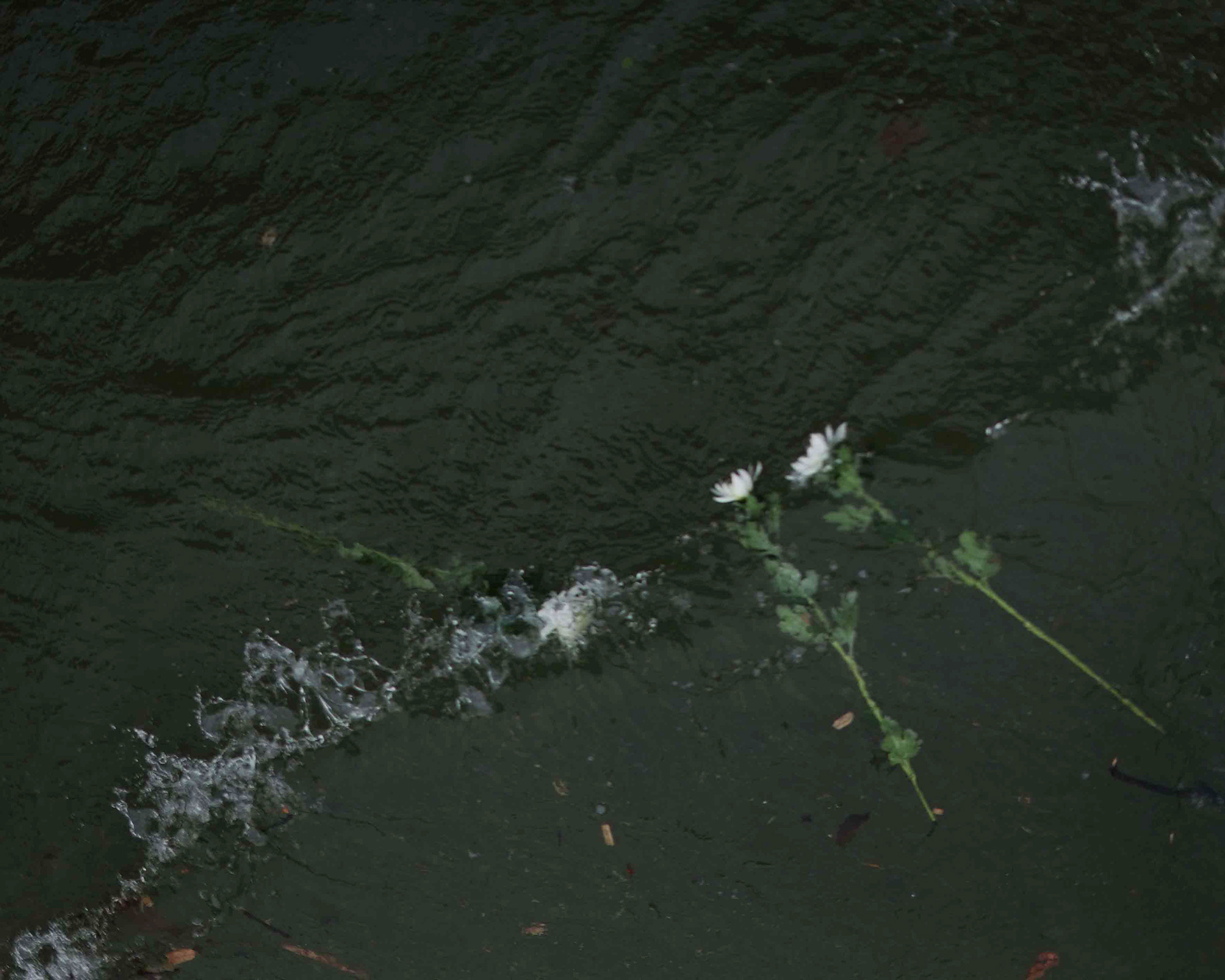
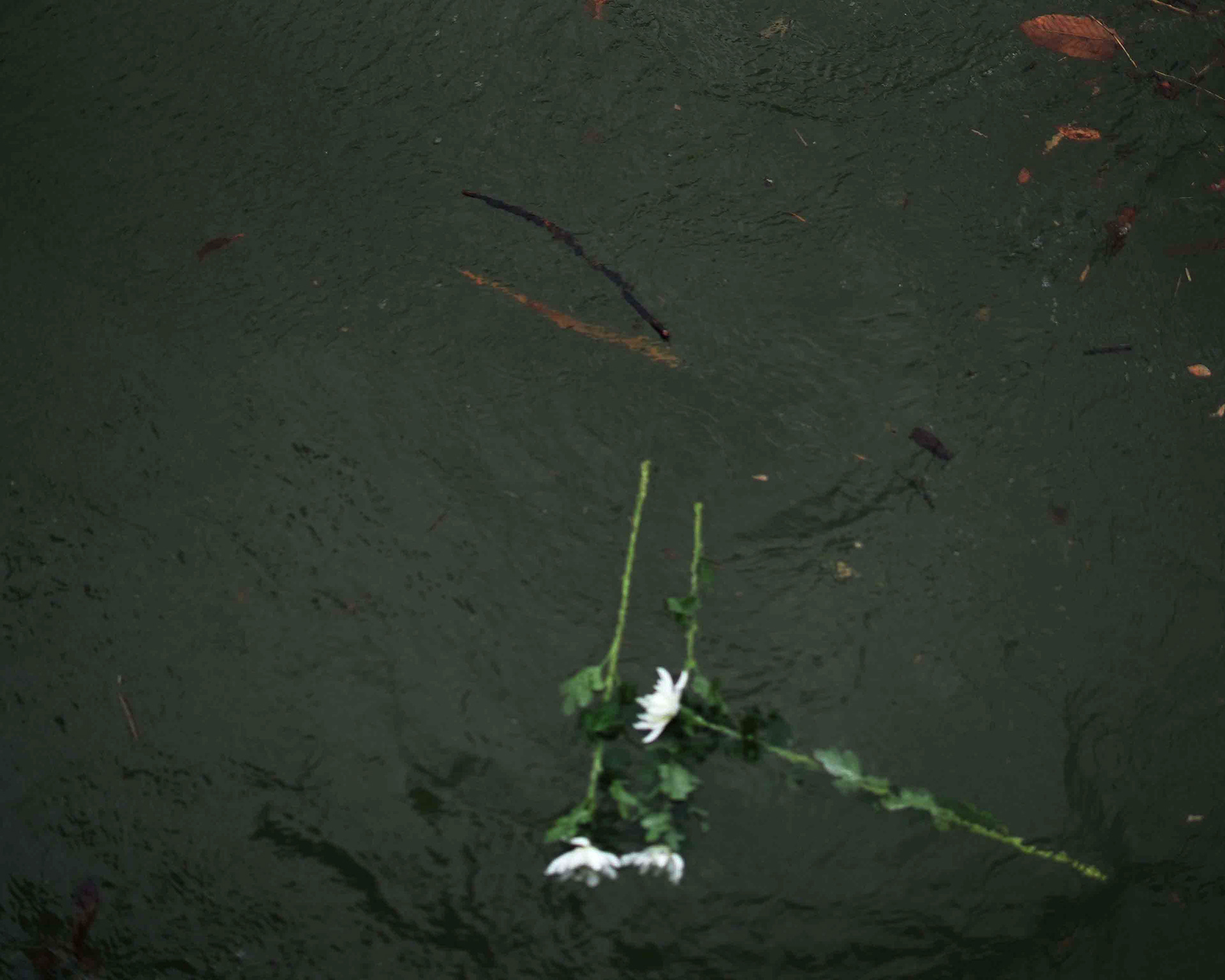
1-8
帰国事業追悼式典で海に献花された菊
Chrysanthemums laid in the sea during a memorial service for the repatriation project to North Korea
1-9
新潟日赤センター爆破未遂事件*5の韓国人工作員が逮捕された居酒屋付近
Near by the izakaya where a South Korean operative was arrested for attempting to bomb the Niigata Red Cross Center*5.
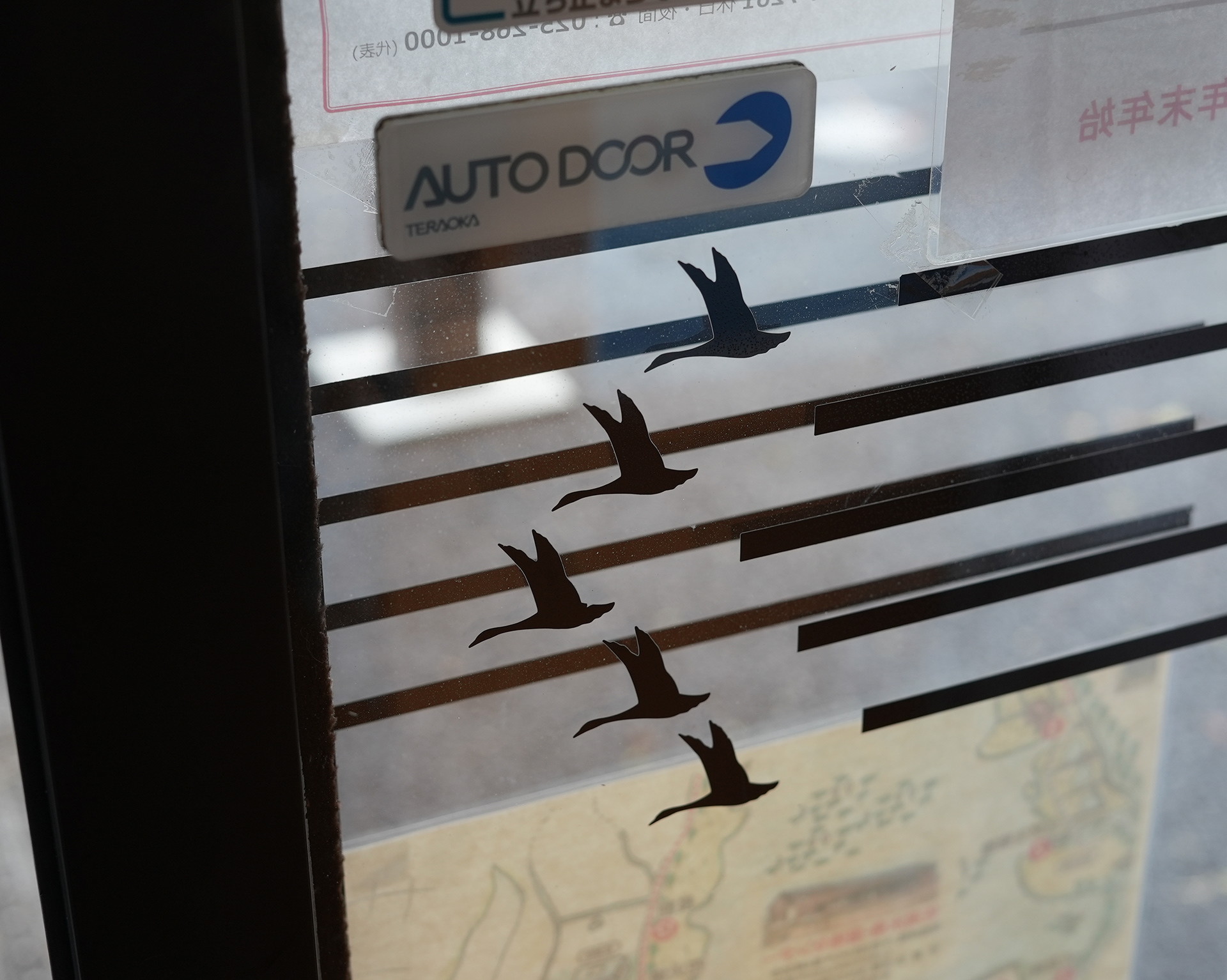
*1 日本の豪雪地帯で用いられる歩道の上の屋根。ギザギザな形状で渡り鳥が羽を広げた姿に見えることからGan=雁(Wild Geese)と、素材に用いられるGi=木(Tree)を合わせてGangi=雁木と名づけられた。A roof built over sidewalks in heavy snowfall areas of Japan. It was named “Gangi(雁木)” by combining “Gan(雁)” (meaning “wild geese”), referring to its jagged shape that resembles a migratory bird spreading its wings, and “Gi(木)”(from “tree”), referring to the wood used as the material.
*2 日本列島はかつてアジア大陸の一部だったが、徐々に亀裂が生じ、落ち込んだ場所には日本海ができた。日本列島は上下のふたつに分かれており、間には海があった。海は様々な要因によって埋め立てられ、海底が隆起し、現在の日本列島が誕生した。埋め立てられた部分=隠された溝がフォッサマグナである。 The Japanese archipelago was once part of the Asian continent and gradually stretched out becoming a depression and resulting to create the Sea of Japan or in other words the East Sea. The Japanese archipelago used to split in two parts, with the sea in between. Over time, this sea was filled in due to various factors, and the seabed rose, forming the Japanese archipelago as we know it today. The filled-in section—the hidden trench—is known as the Fossa Magna.
*3 日本列島を東北日本と西南日本に分ける断層。フォッサマグナの西側の境界線でもある。北アメリカプレートと、ユーラシアプレートの境界とも考えられる。The fault that divides the Japanese archipelago into northeastern and southwestern Japan. It also marks the western boundary of the Fossa Magna, or the boundary between the North American Plate and the Eurasian Plate.
*4 日本の国石 National Stone of Japan
*5 帰国事業に対する抗議として韓国の工作員により計画された。This was planned by South Korean agents as a protest against the repatriation project.
第二章:海鳴りのなかを
Chapter 2:Amid sounds of the sea
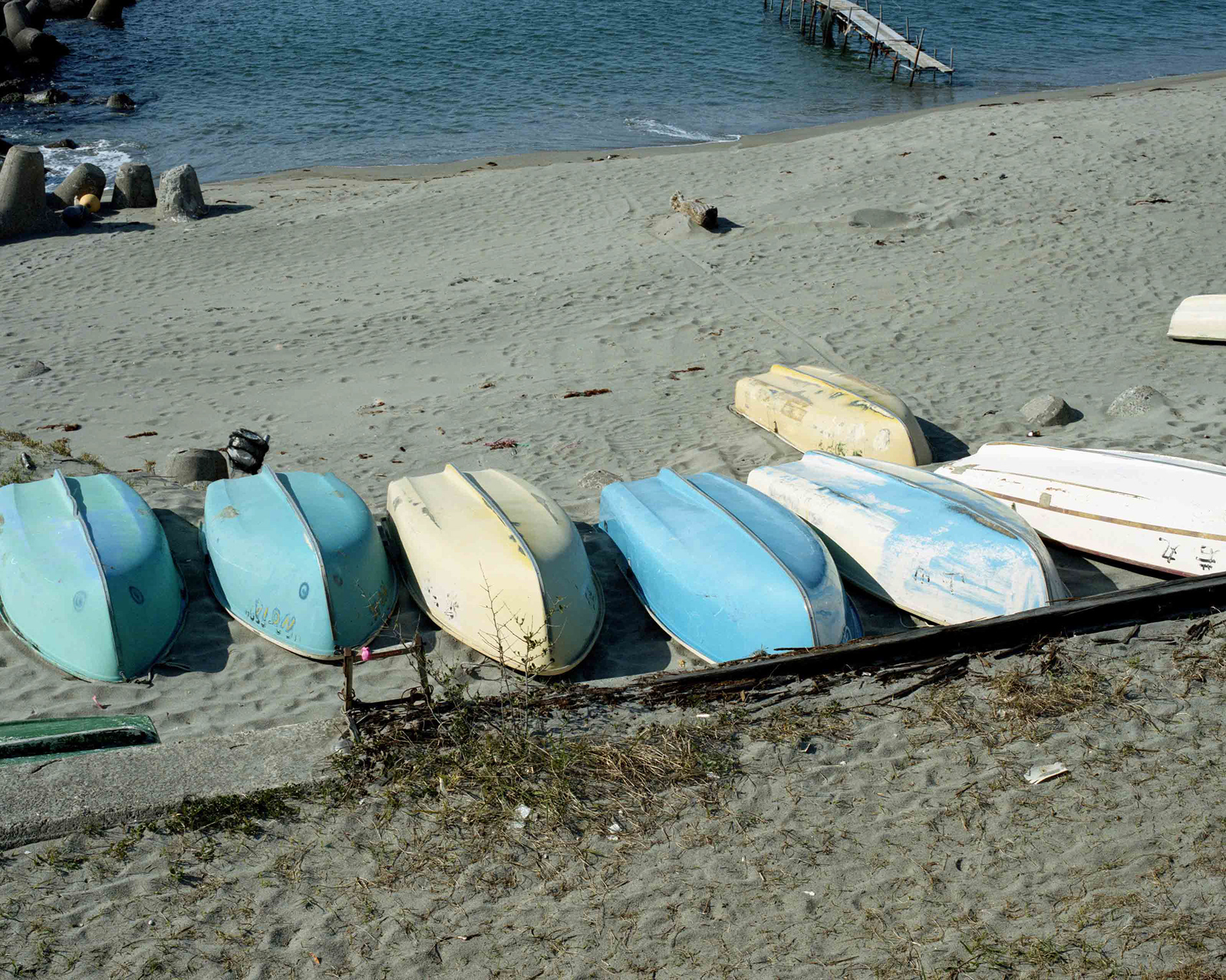
第三章:緯度が見える
Chapter 3:The latitude arise
3-1
3-2
3-3
3-4
3-5
3-6
3-7
3-8
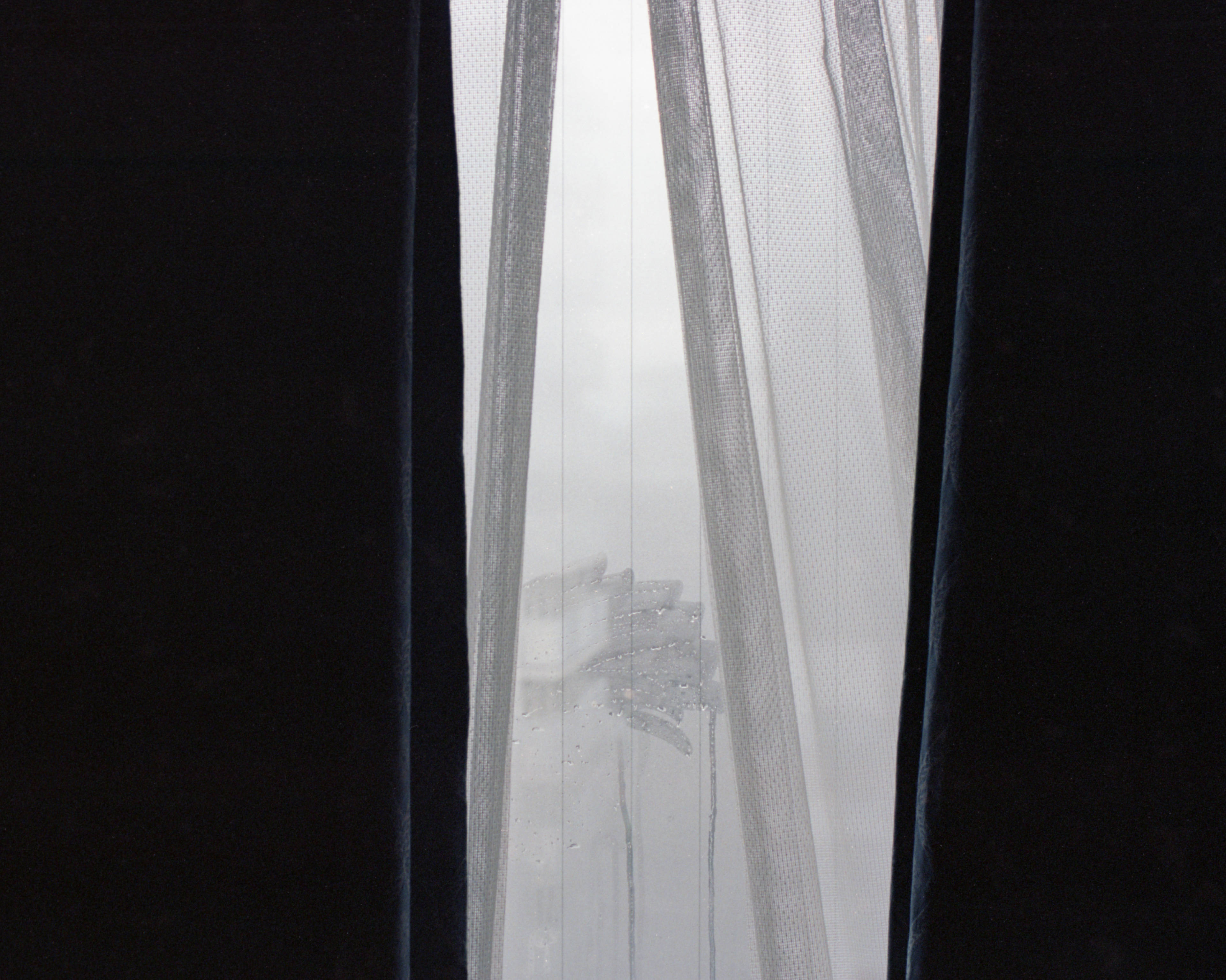
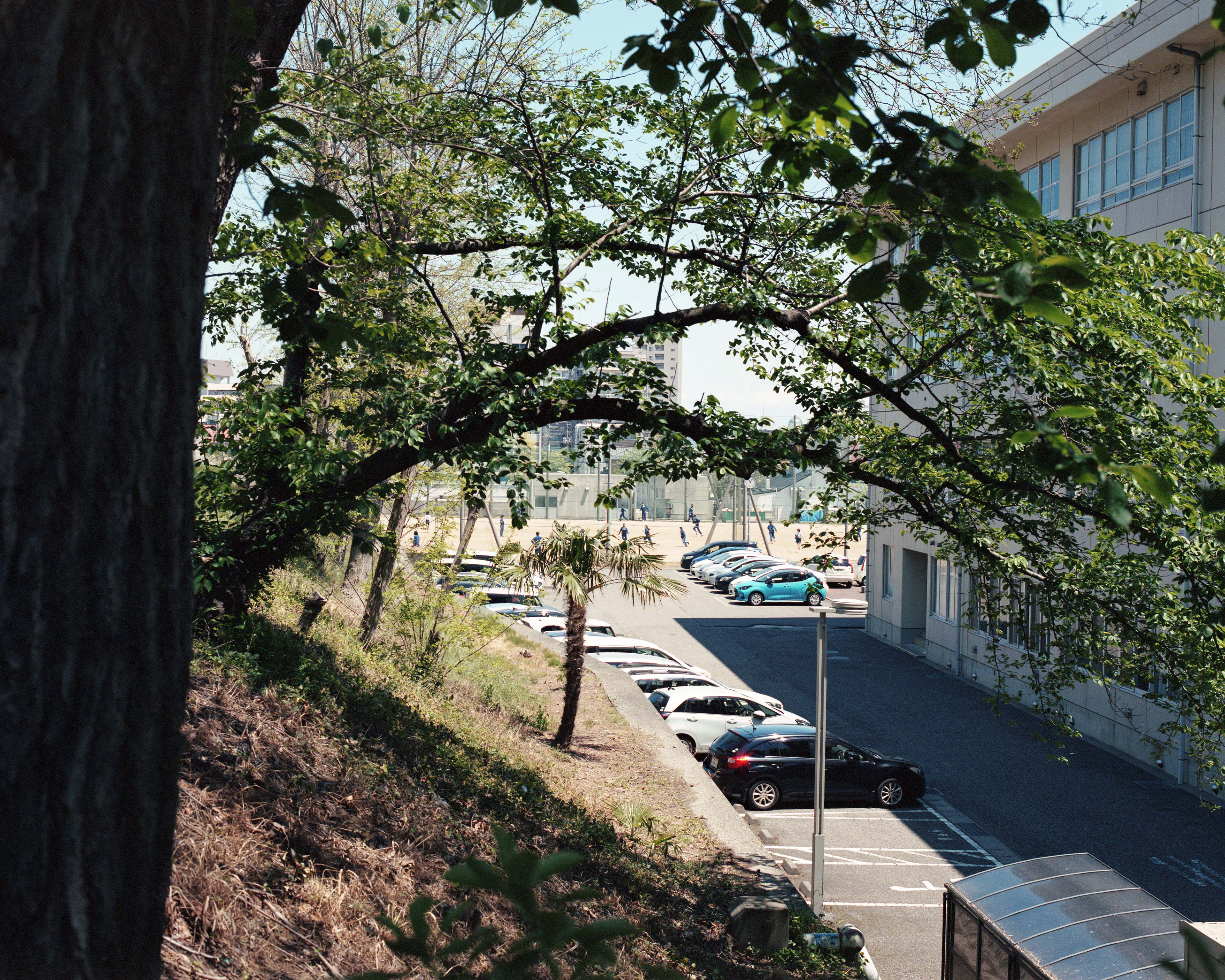
3-9
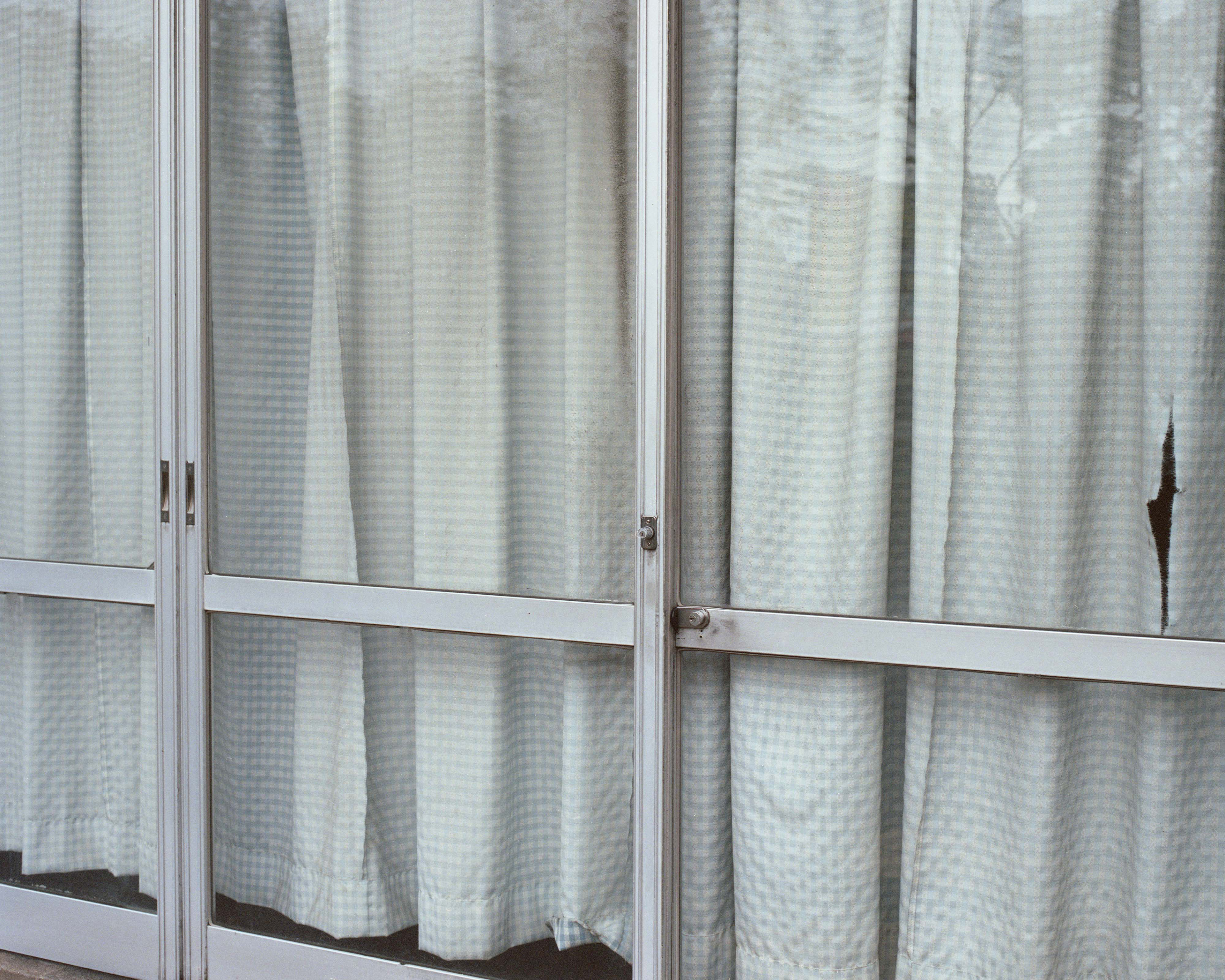
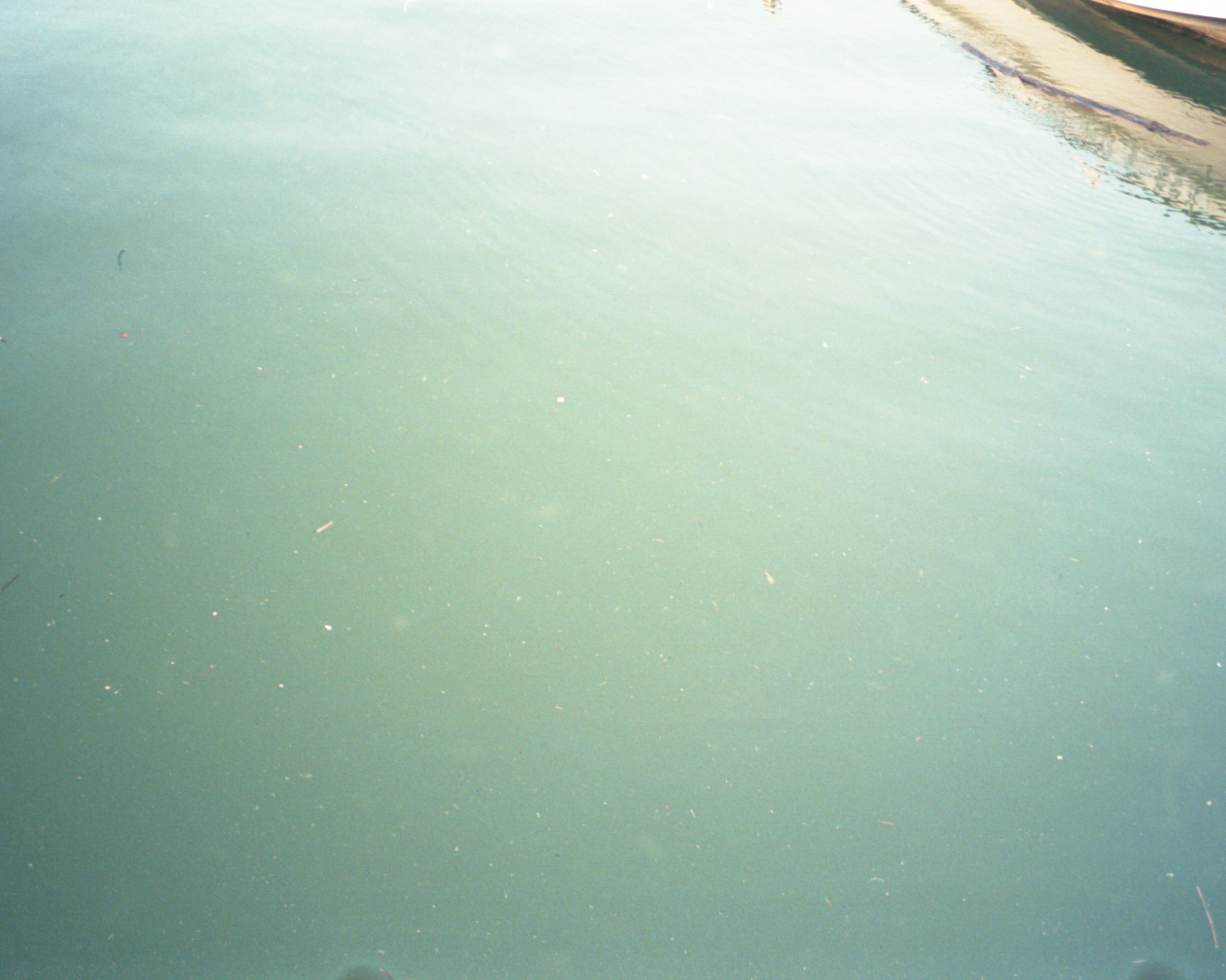
3-10
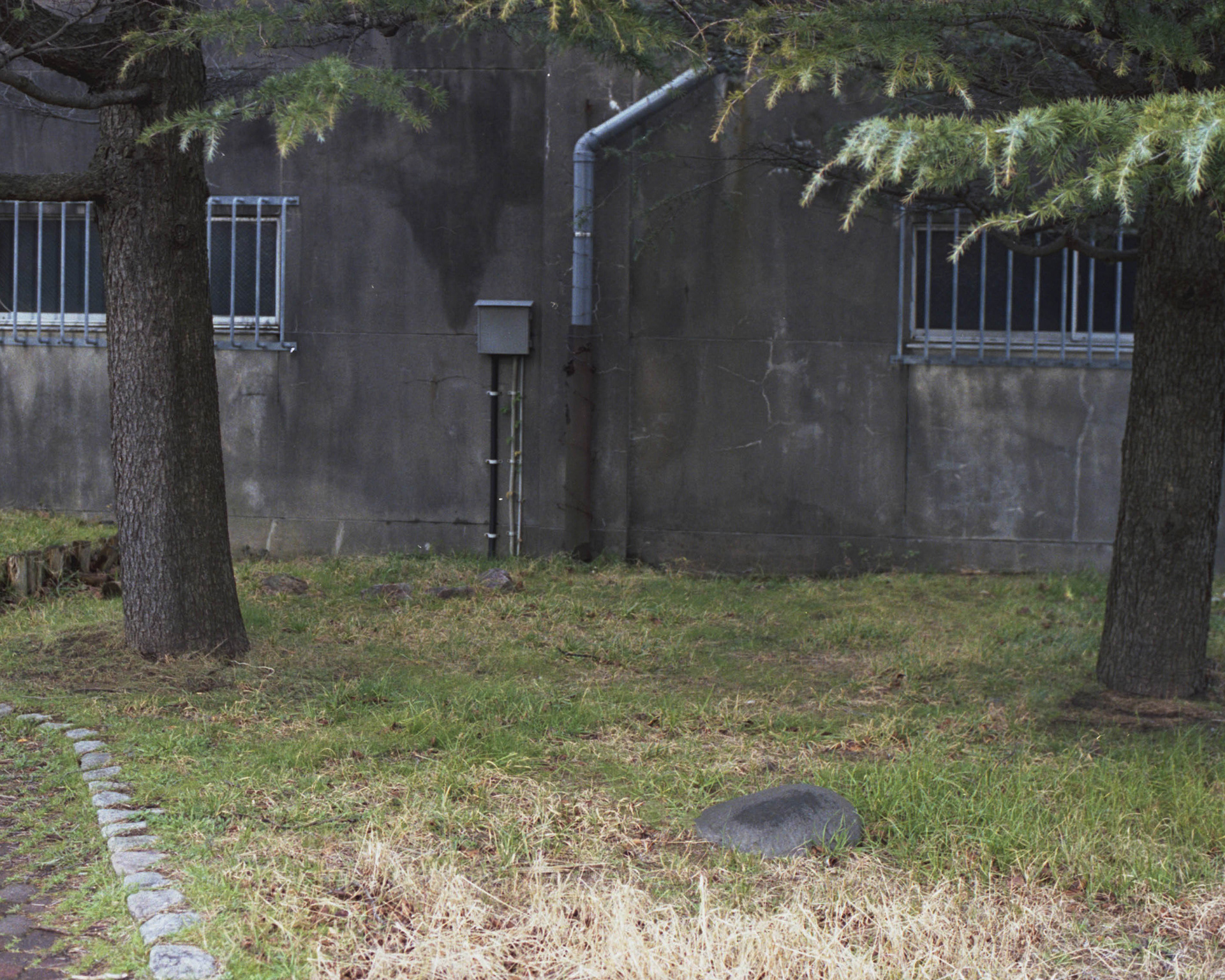
3-11
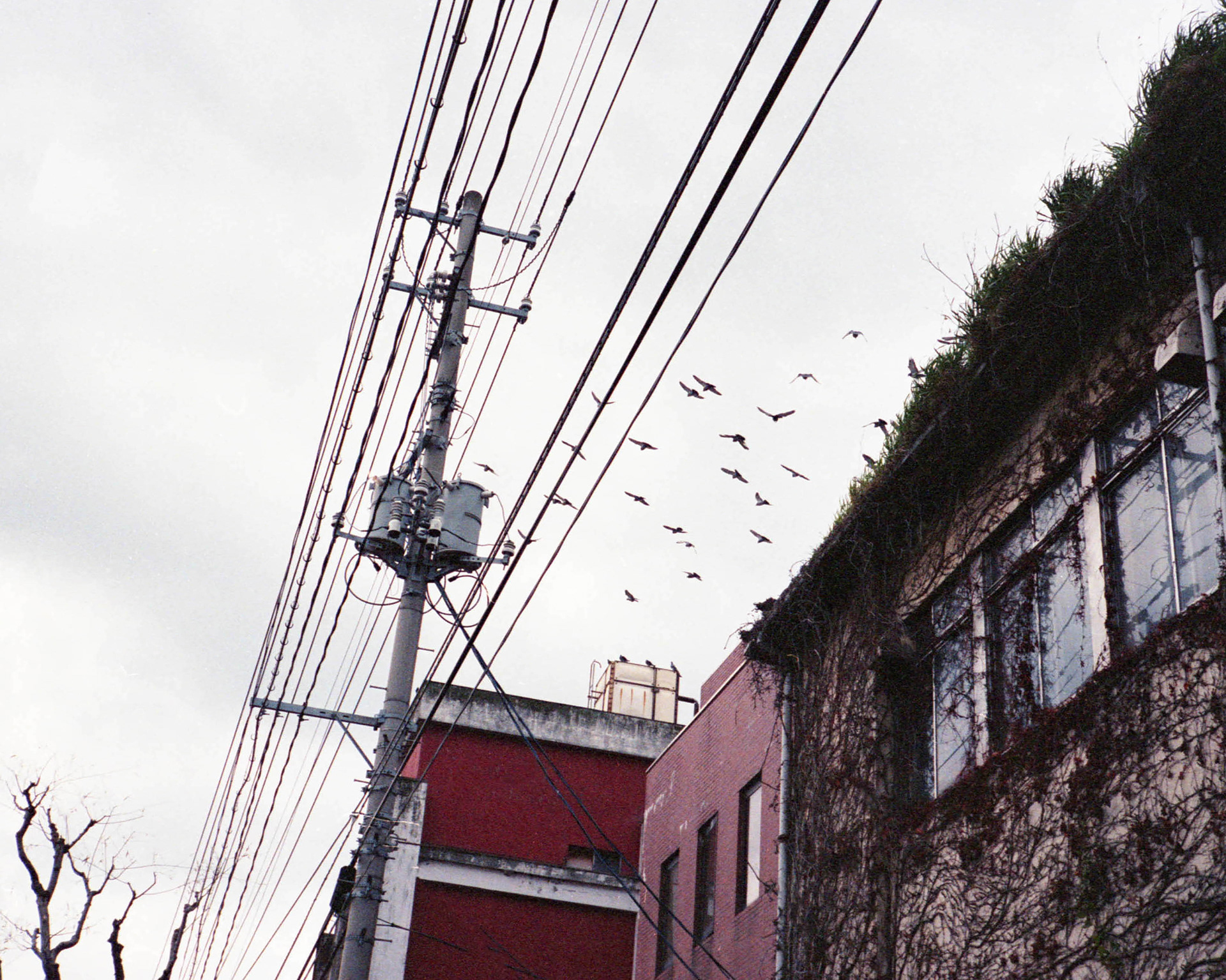
3-12
3-1
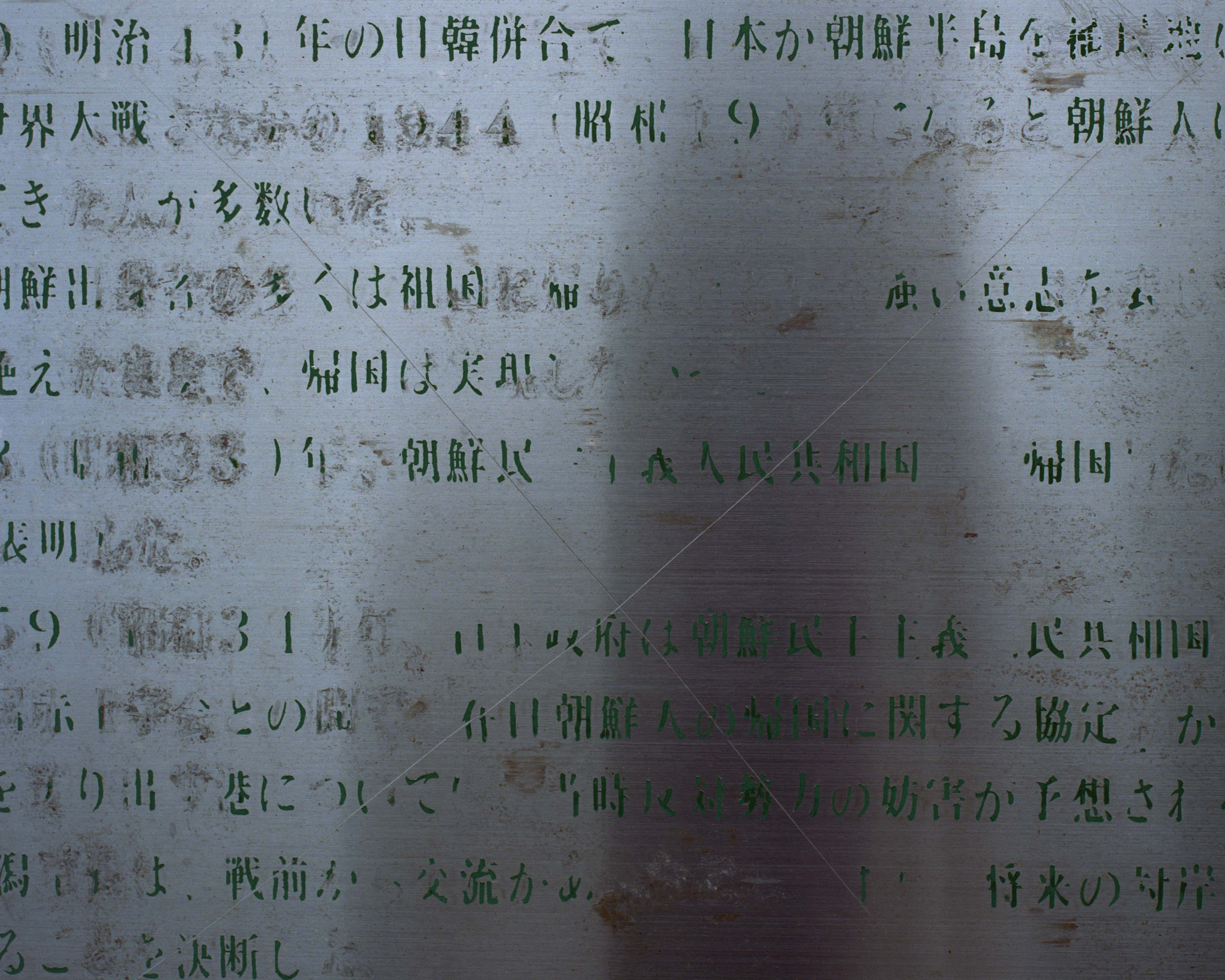
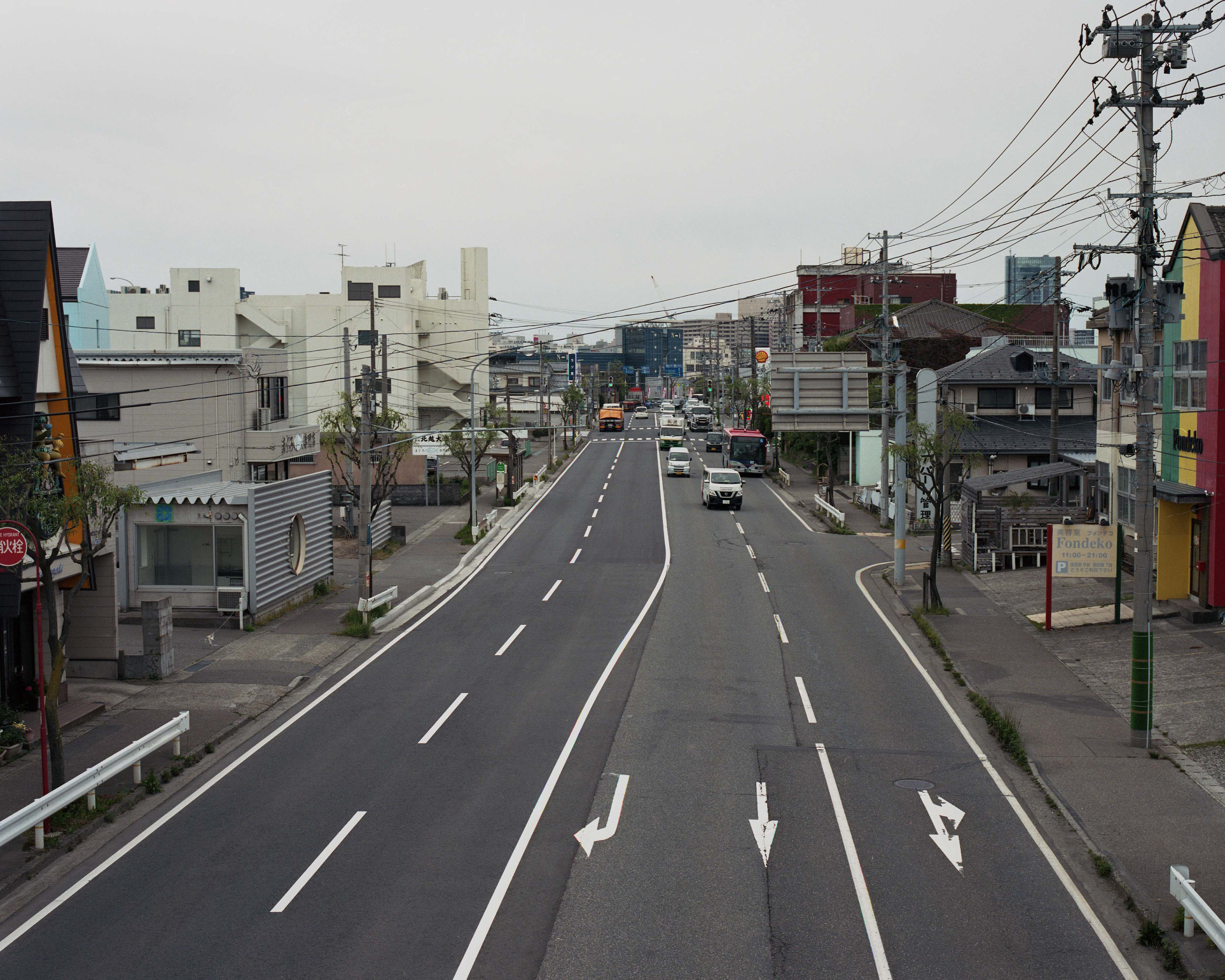
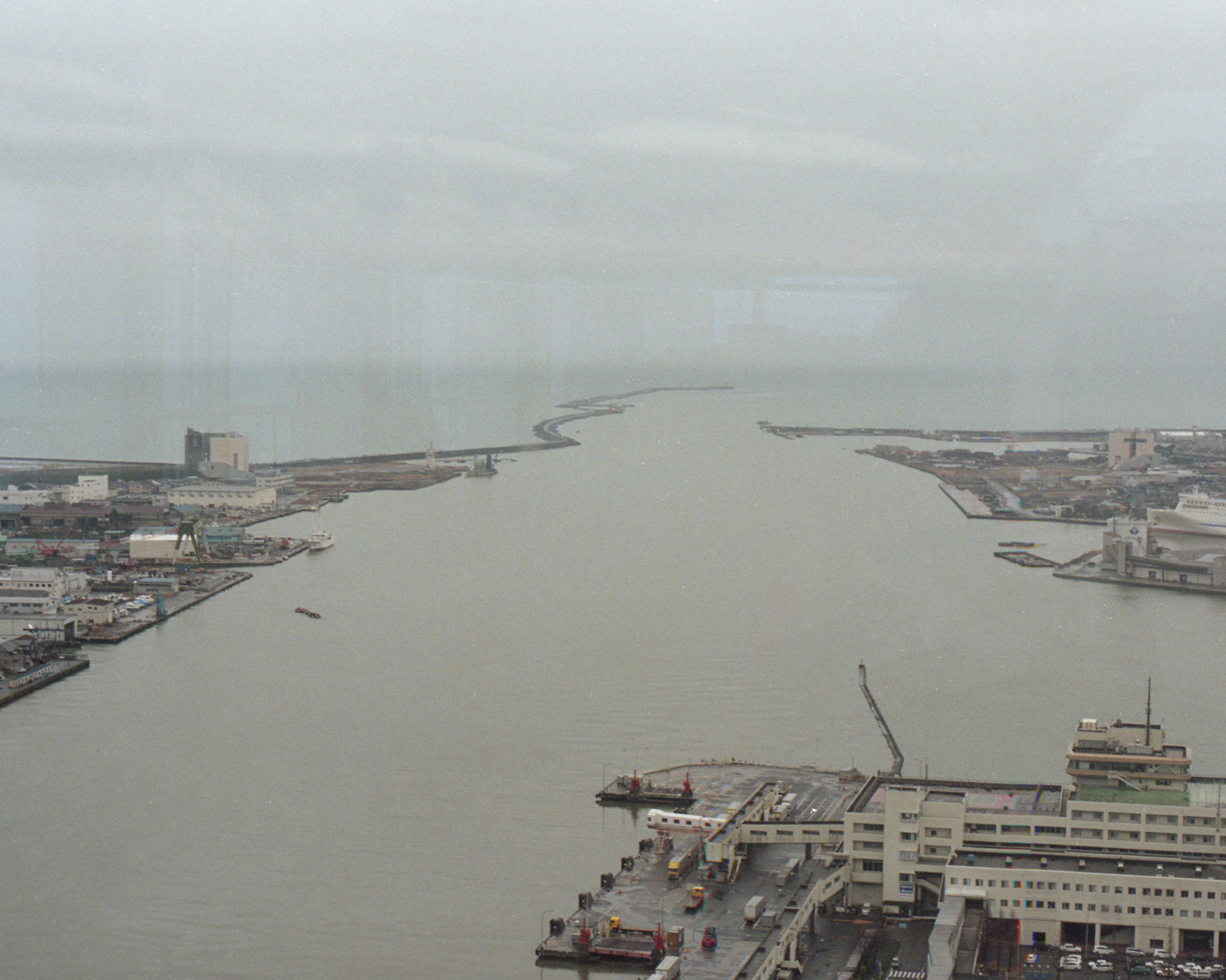
約一年ぶりに新潟へやってきた。新潟出身の友人から同じタイミングで帰省するという知らせを受け会うことにした。新潟駅で待ち合わせ、カフェ、古本屋、雑貨屋などが並ぶ沼垂テラスを目指して歩く。20分から30分くらいの距離。人通りは少ない。途中で道がわからなくなったが、すぐに、こっちだと思う、と友人が言う。沼垂テラスで、私はちいさな蝉のブローチを、友人はお香の台を買った。友人の高校が近所だというので寄ってみることにする。辿り着いたのは何度も訪ねてきた場所だった。高校は帰国事業の碑の真ん前だったのだ。私も驚いたが、友人も驚いていた。碑の存在は初めて知ったという。この碑はいつからあるのだろう。そんな疑問が湧いた。
I came to Niigata for the first time in about a year. A friend from Niigata told me they were returning home at the same time, so we decided to meet up. We met at Niigata Station and walked toward Nuttari Terrace, where cafe, secondhand bookstore, and gift shop line the street. It was about a 20 to 30 minute walk. There weren’t many people around. We got a little lost along the way, but my friend soon said, “I think this way.” At Nuttari Terrace, I bought a small cicada brooch, and my friend bought an incense holder. Since my friend’s high school was nearby, we decided to stop by. We ended up at a place I’d visited many times before. The high school was right in front of a monument commemorating the repatriation project to North Korea. I was surprised, and so was my friend. She said it was the first time she’d ever noticed the monument. I wondered, “How long has this monument been here?”
3-2
帰国者が宿泊し、最後の手続きが行われたという新潟日赤センターの跡地を訪ねていく。新潟空港の敷地内にあるその場所へ向かうために、空港行きの市内バスに乗る。帰国者たちが乗ったバスとほぼ同じルートを通るはずだ。帰国事業に際し植えられた柳が立ち並ぶボトナム通りを抜けていく。
I headed to the site of the former Niigata Red Cross Center, where returnees stayed and completed their final formalities. To reach the location, which is situated within the grounds of Niigata Airport, I took a city bus bound for the airport. The route should have been identical to the one taken by the buses carrying the returnees. The bus passed through Botnam Street, lined with willow trees planted when the repatriation project was held.
3-3
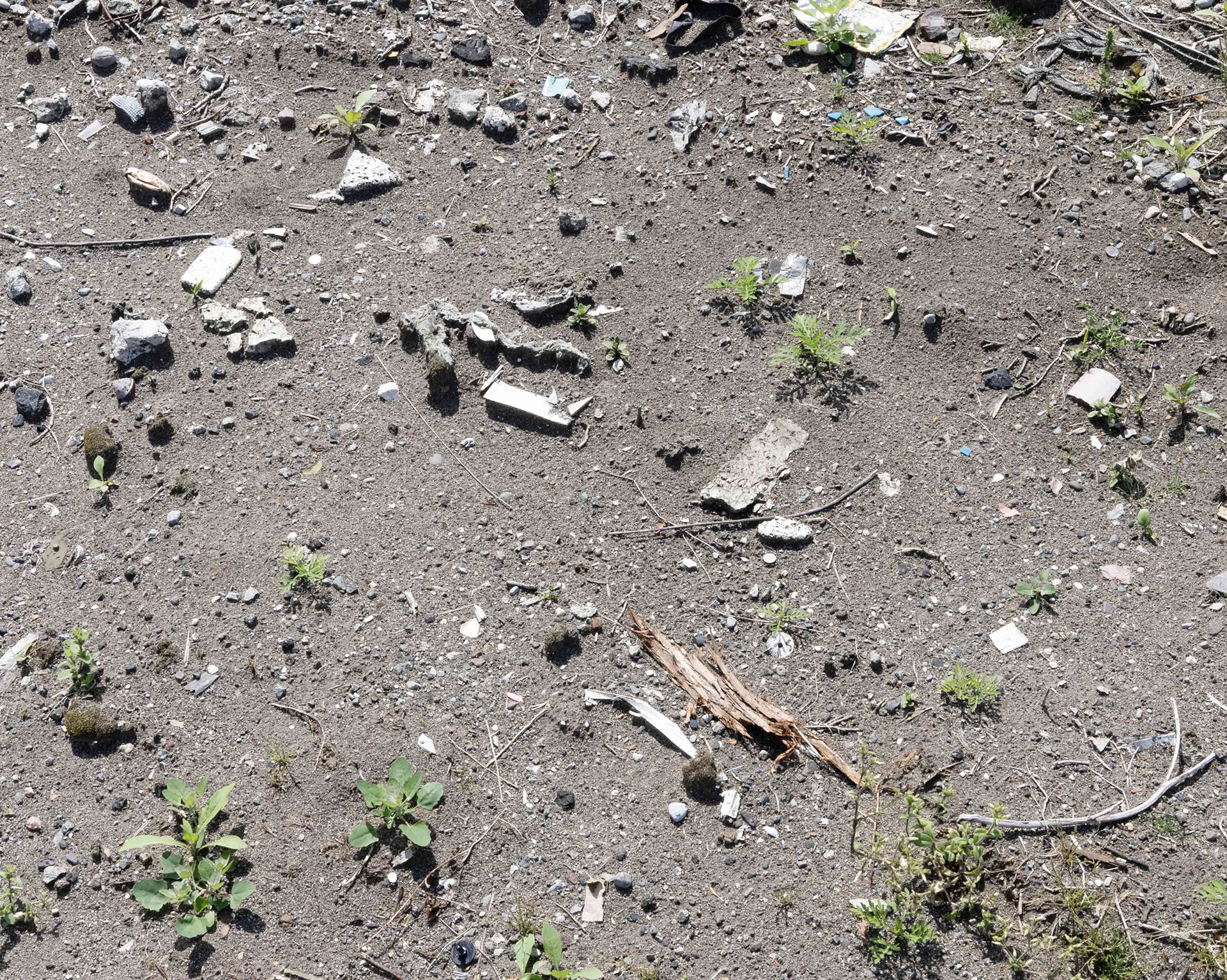
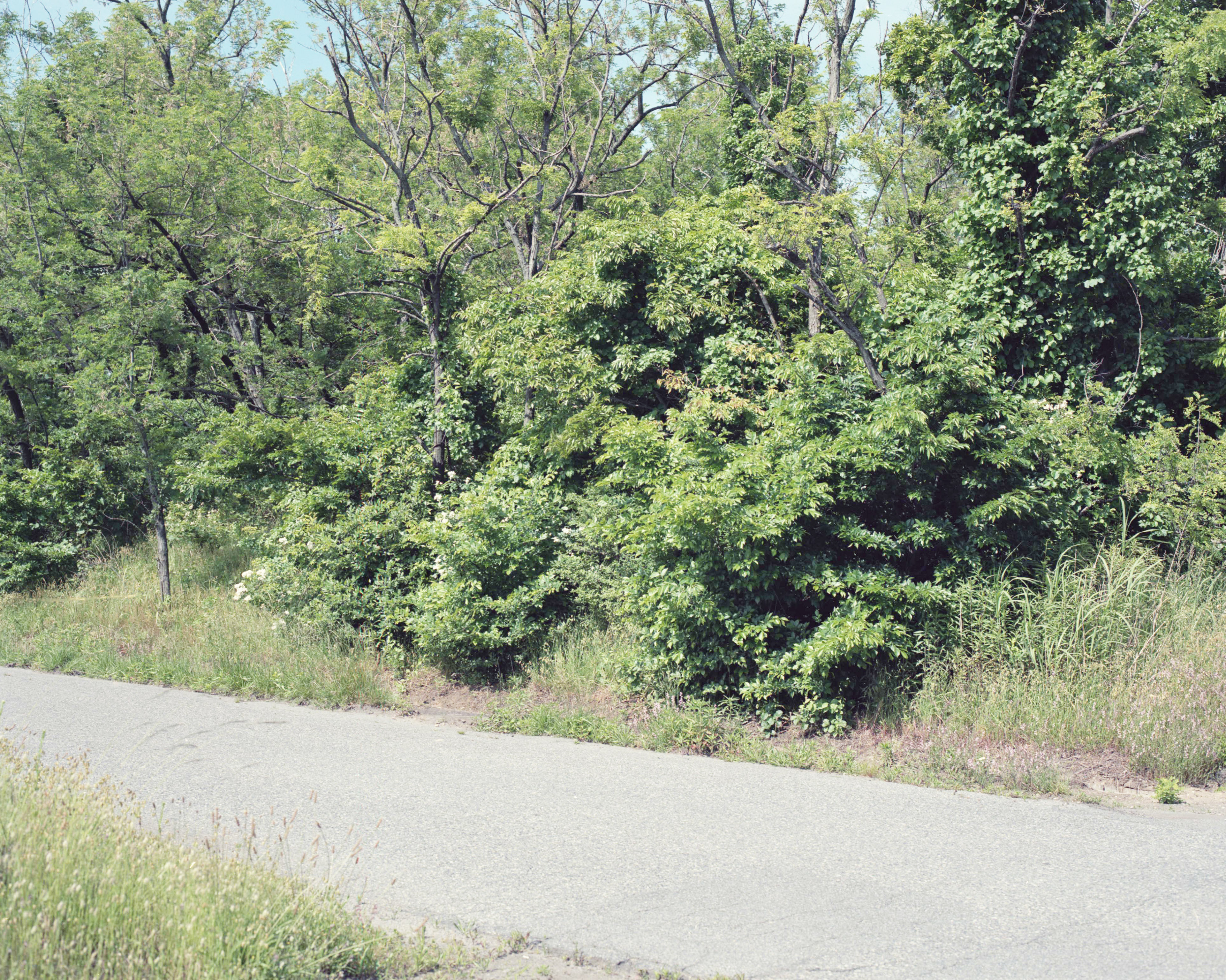
空港の脇の舗装されていない道を辿り、林を通り過ぎると空き地が広がっていた。この辺のはずだ、と空港の案内係の方がいう。でも、何もないのでどこへ向かってカメラを構えればいいのかわからない。本当にこの場所なのだろうか? 「この辺」って言うけれど、どこにどのように建っていたのか? 写真で見ていたイメージとかみ合わない。何かを捕まえようとするけれど、確信もないままに空振りのシャッターを切る。
Following the unpaved road alongside the airport and passing through the woods, I came upon a wide open field. “It should be around here,” said the airport attendant. But with nothing in sight, I didn’t know where to point my camera. Was this really the place? He said “around here,” but where exactly had it stood, and what had it looked like? It didn’t match the image I’d seen in photos. I tried to capture something, but without any certainty, I kept pressing the shutter in vain.
3-4
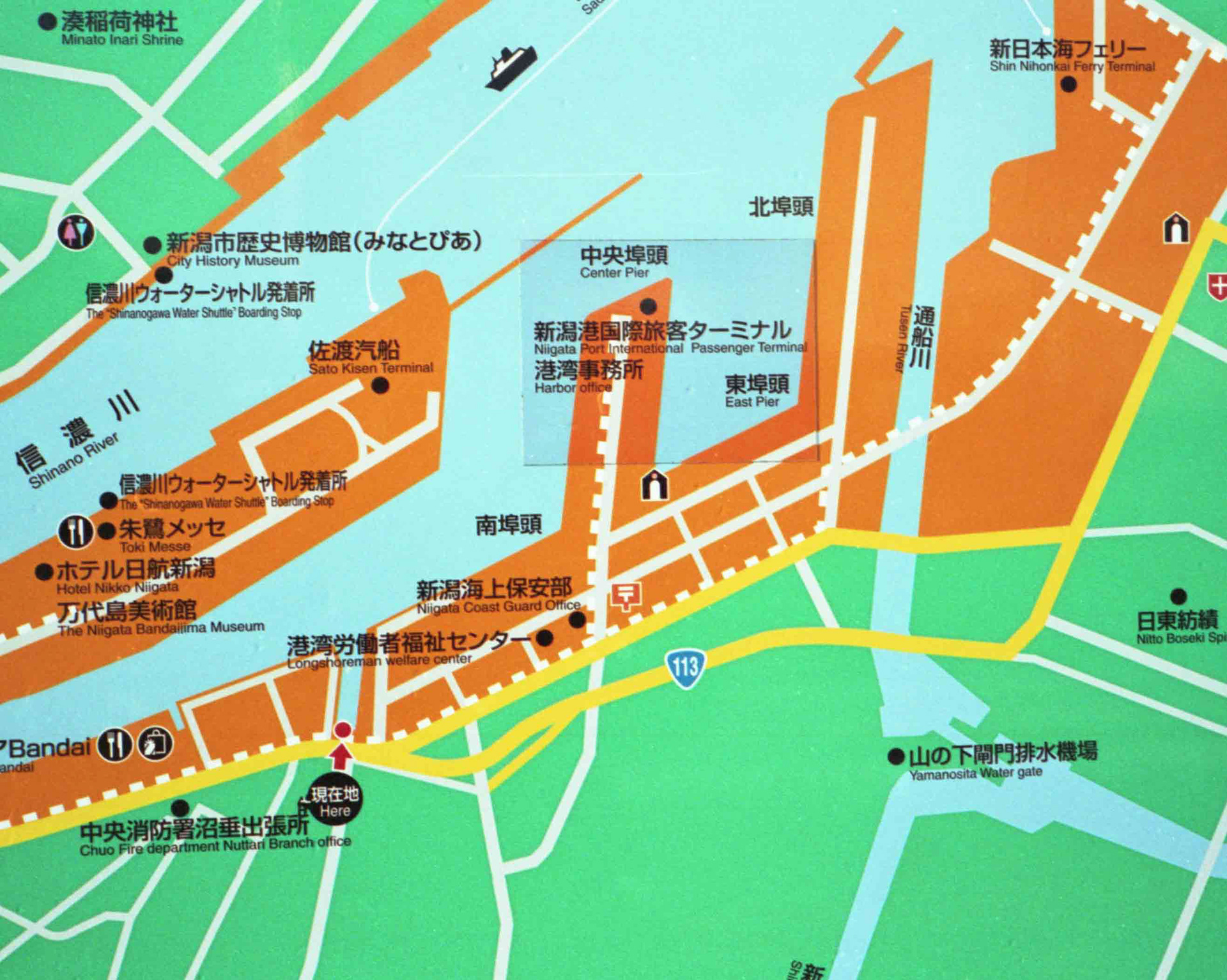
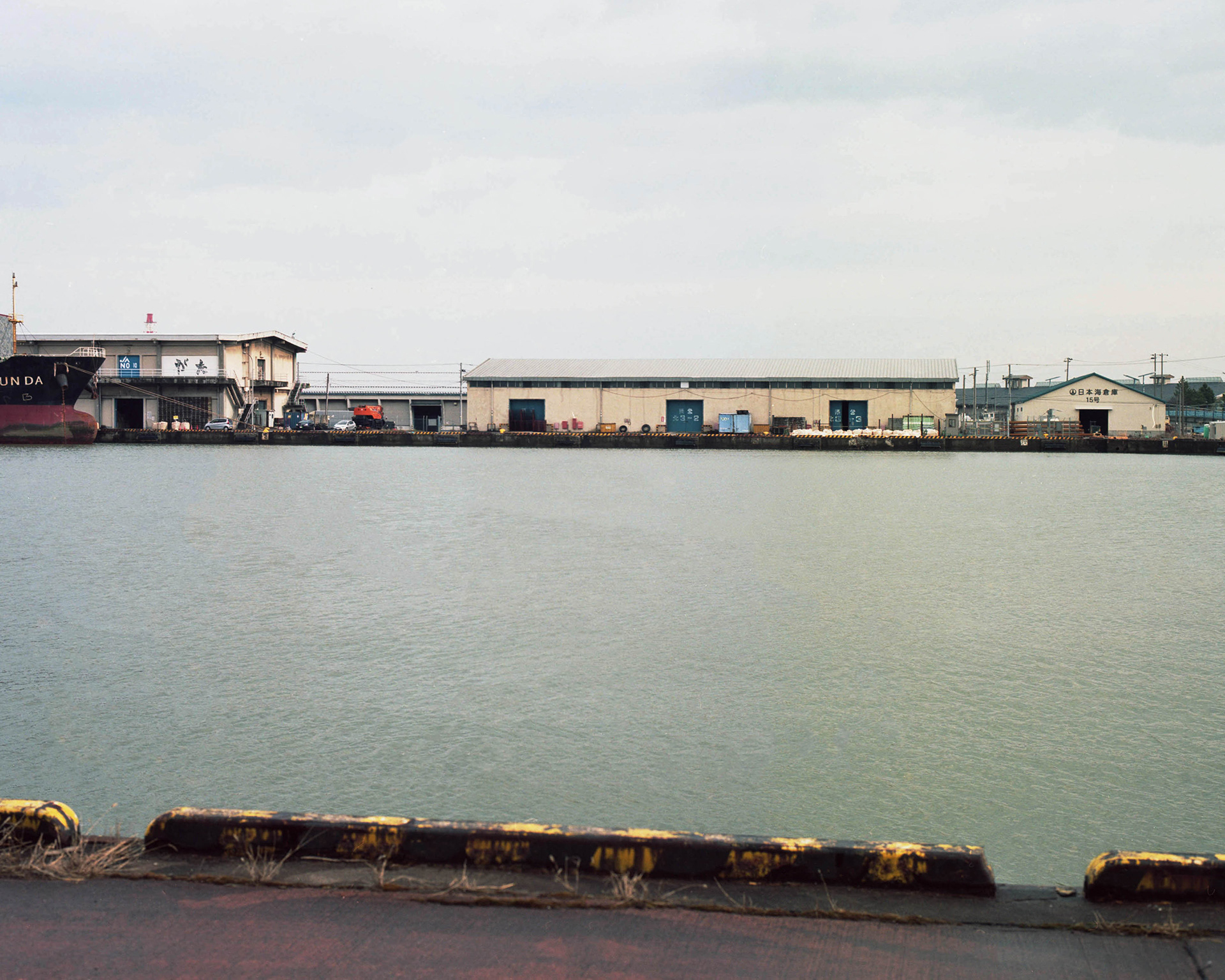
中央埠頭
Central Pier
3-5
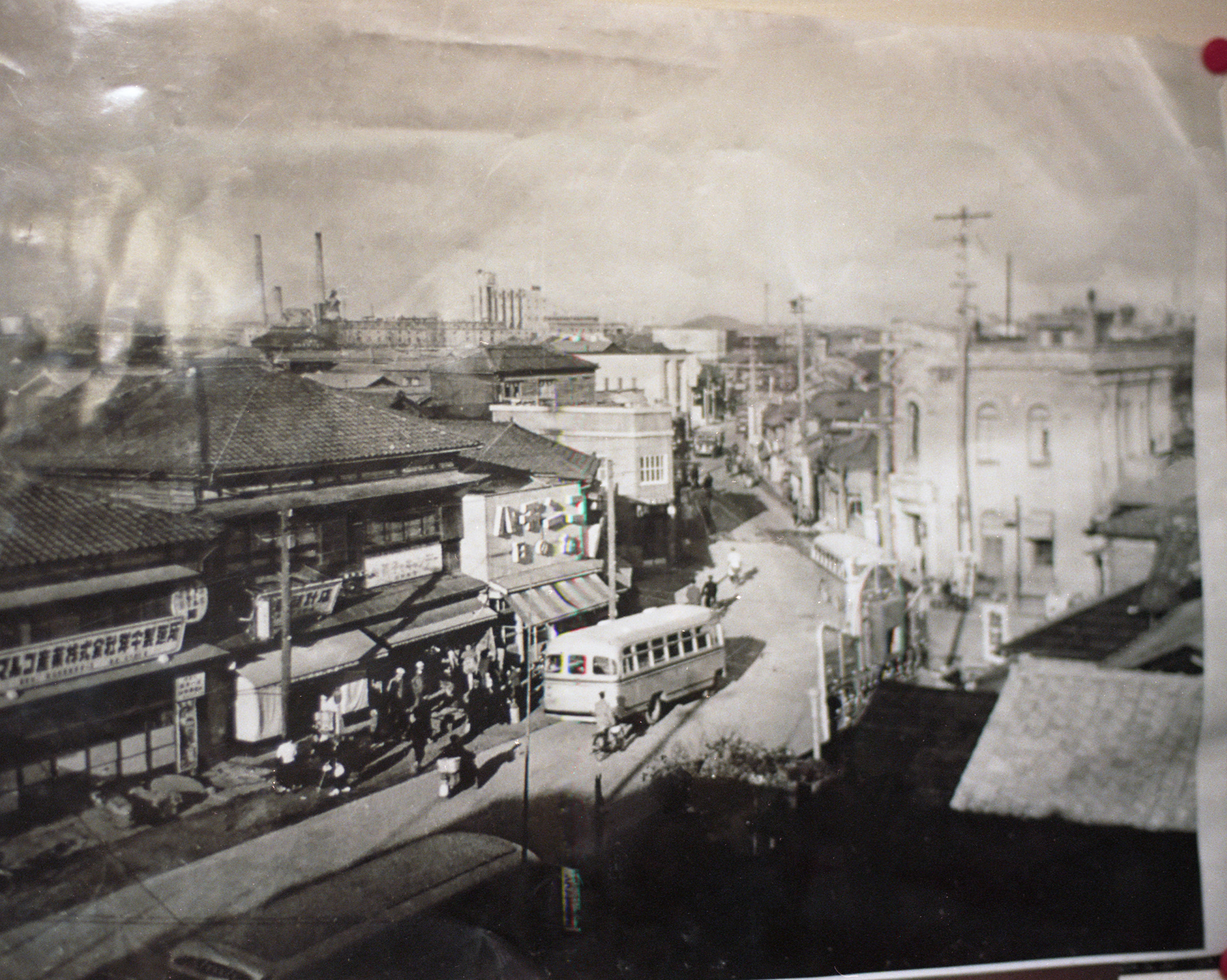
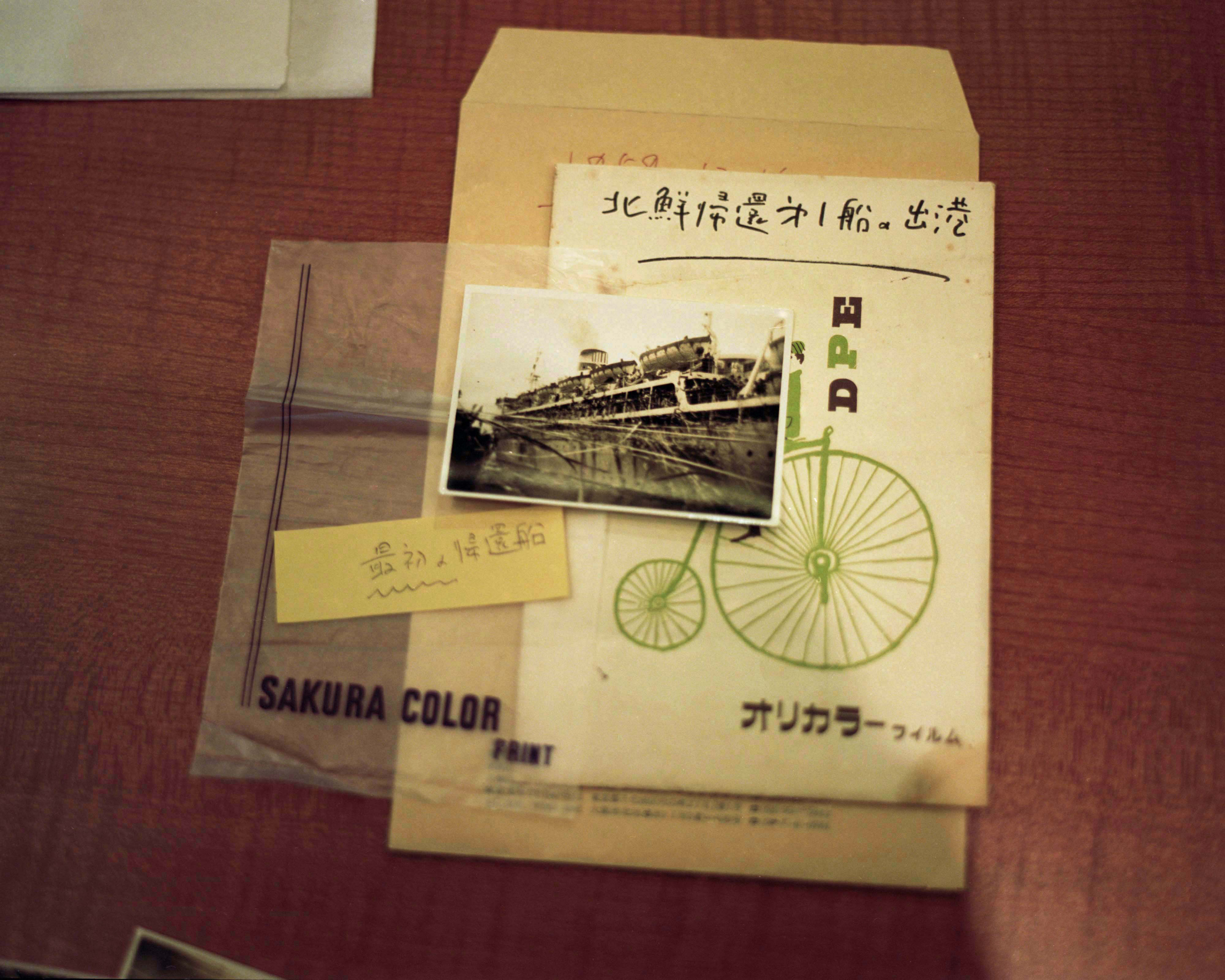
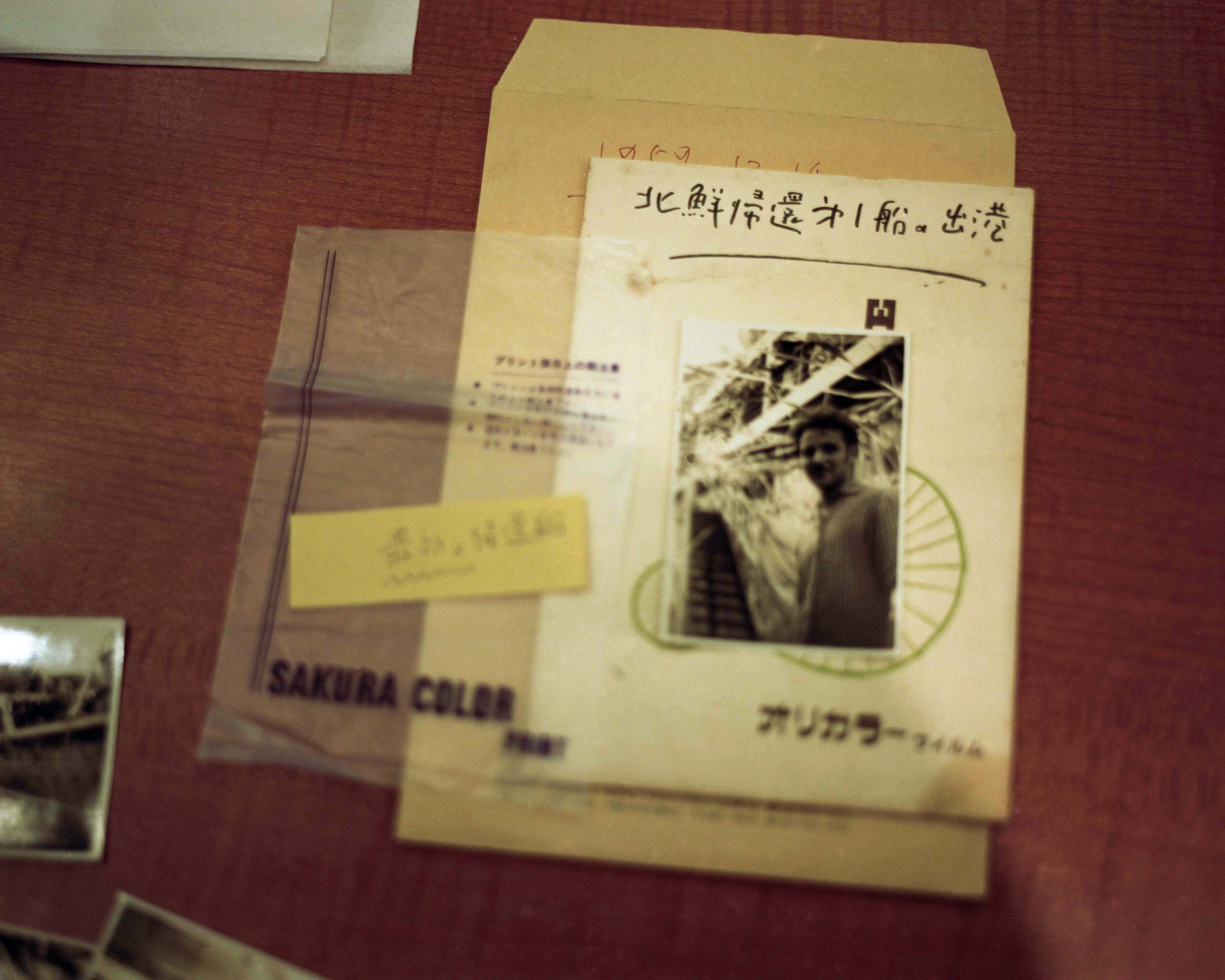
新潟駅のジュンク堂で佐藤さんというおじいさんと待ち合わせる。帰国事業の際、合唱団として慰問に訪ねて行ったそうだ。カフェに入り佐藤さんのお話を聞く。街中が沸いていた。帰国事業は歴史に残るような出来事だと思った。一番印象に残っているのは中央埠頭の熱気。当時の新潟では見られないような人混みだった。歌は『アリラン』や『ともしび』を歌った。『ともしび』が一番人気だった。などなど熱っぽく語る佐藤さんの語りに追いつくよう、必死に短いメモを取っていく。帰ってから「ともしび 民謡」と検索する。「ソビエト連邦時代に流行ったロシアの歌曲」と書かれたウィキぺディアのページが先頭に出てくる。
I met up with an elderly gentleman named Sato-san at the Junkudo bookstore in Niigata Station. He told me that he had visited this area as part of a choir during the repatriation project to console for the troops. We went into a café to listen to his stories. “The whole city was buzzing with excitement,” said he. “I felt that the repatriation project would be a historical event.” “What left the strongest impression on me was the excitement of people at Central Pier”. “It was a crowd unlike anything Niigata had experienced.” “We sang songs like Arirang” and Tomoshibi. “Tomoshibi was the most popular.” I frantically jotted down brief notes, trying to keep up with Sato-san’s passionate recounting. When I got home, I typed “Tomoshibi folk song” on the Internet. The top result was a Wikipedia page describing it as “a Russian song that was popular during the Soviet era.”
3-6
帰国事業初期に使われたのはソ連籍の船だった*6
In the early days of the repatriation project, Soviet-flagged ships were used*6.
3-7
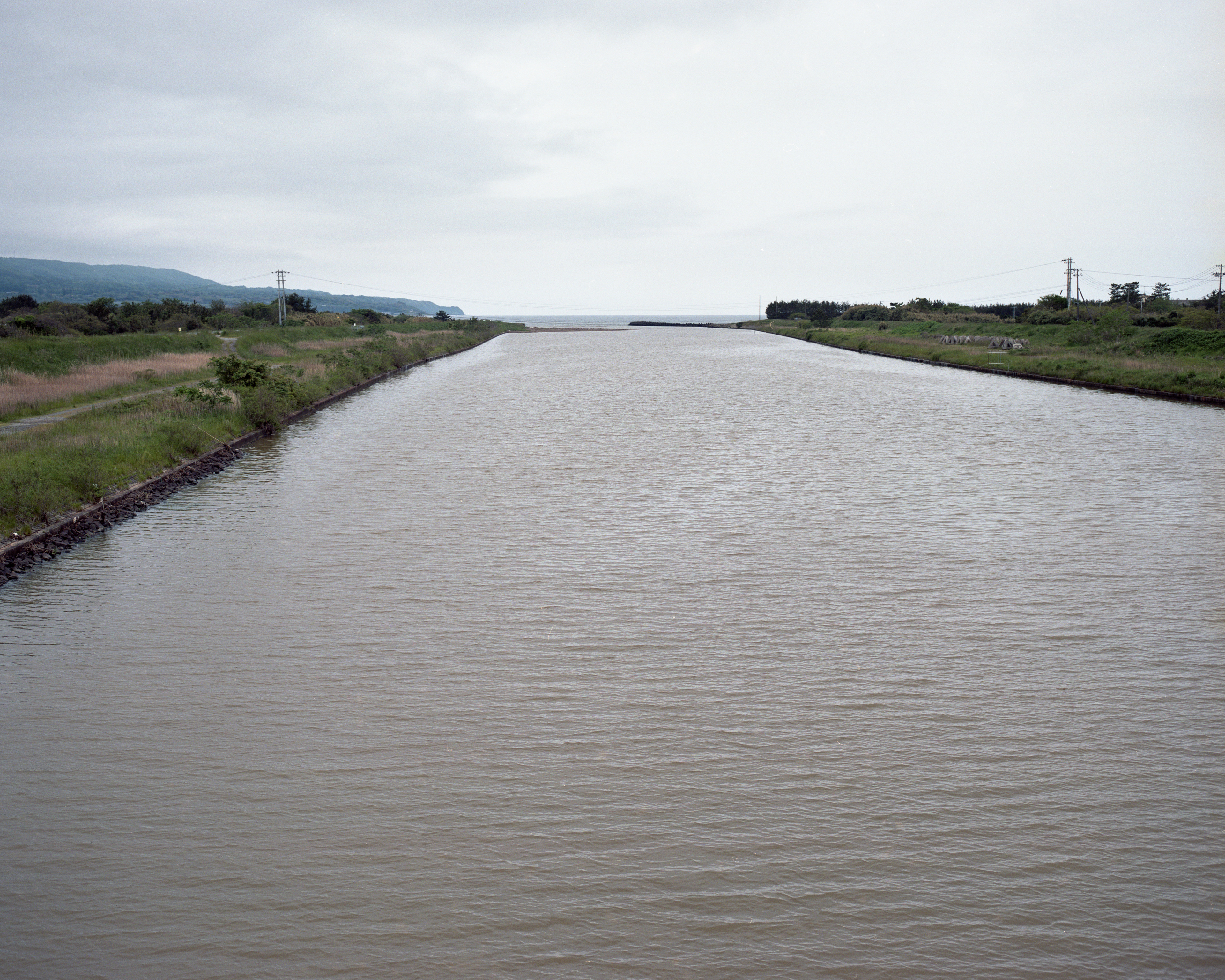
曽我ひとみ*7さんが拉致された通りを歩いてみる。近所の方に、すみませーん、と話しかけると聞こえないのか無視されてしまった。通りを歩き切ると国府川に出る。橋の上から日本海/東海を望む。
I walked down the street where Hitomi Soga*7 was abducted. When I called out to a neighbor, “Excuse me,” they either can’t hear me or ignore me. At the end of the street, I come to the Kokufu River. From the bridge, I look out over the Sea of Japan or the East Sea.
3-8
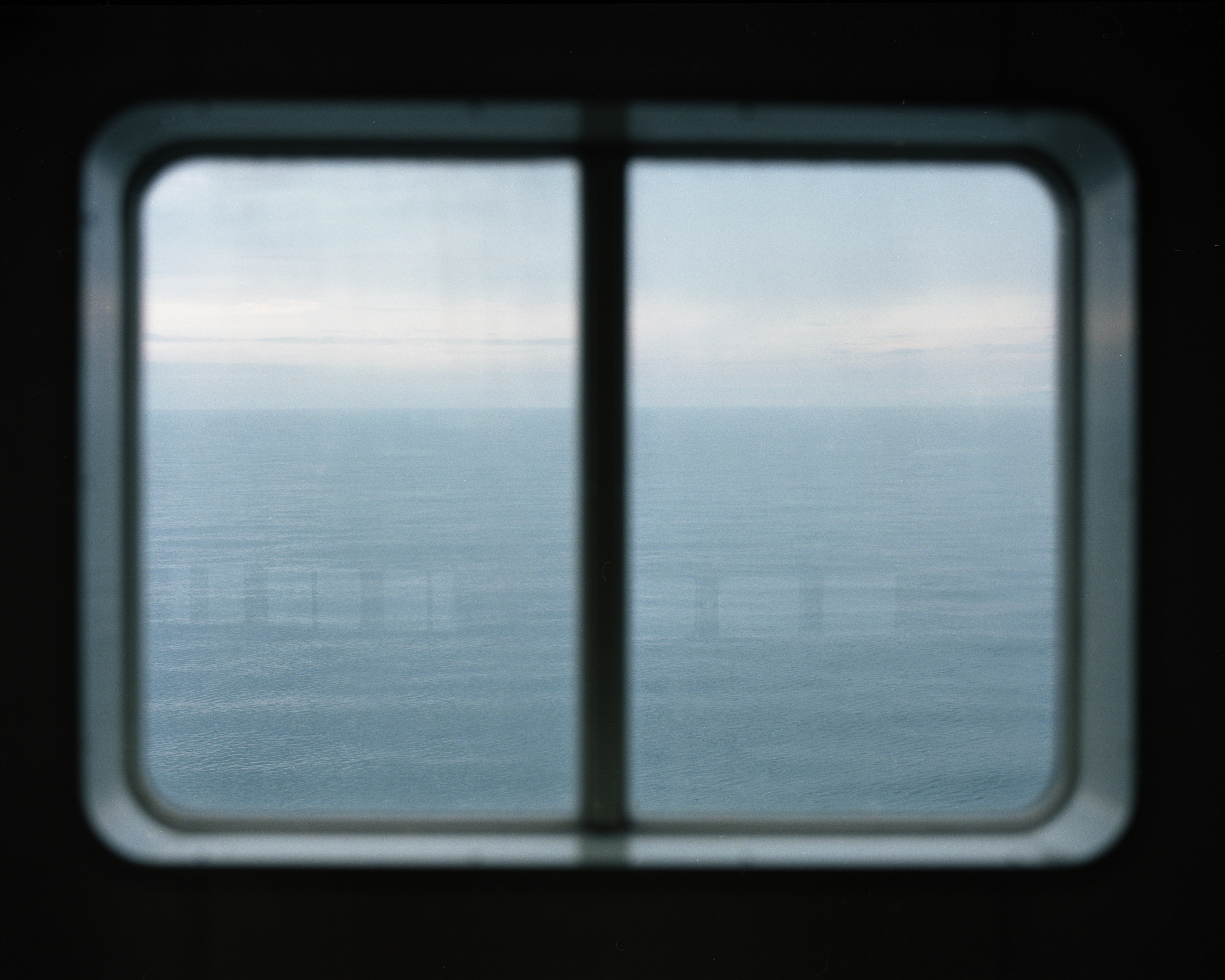
佐渡汽船より
From Sado Kisen
3-9
横田めぐみ*8さんが通っていた寄居中学校
Yorii Junior High School, which Megumi Yokota*8 attended
3-10
中央埠頭
Central Pier
3-11
北朝鮮から贈られた二本のもみの木がある。一年ぶりに訪ねていくと、木の根元に落ちていた「贈朝鮮民主主義人民共和国」と書かれた札がなくなっている。片づけられてしまったのだろうか。居ても立ってもいられず、新潟大学の藤石さんに連絡してみる。数日後、メールが届いた。「看板は、朝鮮総連新潟県本部の方が、掛けかえるつもりで持ち帰ったそうです」。以前、朝鮮総連へ訪ねて行った際、ボトナム通りの柳がやせ細っていることをとても気にされていたことを思い出す。
There are two fir trees that were gifted by North Korea. When I visited for the first time in a year, the sign that had been lying at the base of the trees—bearing the inscription “Gift from the North Korea”—was gone. Had it been removed? I couldn’t sit still, so I contacted Fujishi-san at Niigata University. A few days later, I received an email. “I’ve been told that someone from the Niigata Prefectural Headquarters of the General Association of Korean Residents in Japan took the sign home with the intention to renew it.” I recalled that during a previous visit to the General Association of Korean Residents in Japan, they had been very concerned about the willow trees on Botnam Street looking so thin.
3-12
朝鮮総連の上を飛んでいく鳥の群れ
A flock of birds flying over the General Association of Korean Residents in Japan
*6 帰国事業後期には万景峰号が使われていた。The Man Gyong Bong 92 was used during the latter half of the repatriation program.
*7 近所の商店から自宅までの帰り道で拉致され、国府川を小舟で下り、海岸で大きな船に乗り換え朝鮮民主主義人民共和国へ連れていかれた。She was abducted on her way home from a local store, taken down the Kofu River in a small boat, and then transferred to a large ship at the coast, which took her to North Korea.
*8 部活動の帰り道に拉致され、朝鮮民主主義人民共和国へ連れていかれた。彼女は船倉に閉じ込められ、出入り口や壁をひっかき続けた。到着した際には爪がはがれ、血まみれだったという。On her way home from club activities, she was abducted and taken to North Korea. She was locked in the ship’s hold and kept scratching at the doors and walls. By the time she arrived, her fingernails had been torn off, and she was covered in blood.
私は1983年に始まった「留学生受入れ10万人計画」の直後に留学、就職した父と、それに伴い渡日した母のもとに1991年東京に生まれました。4歳から7歳までをソウルで過ごした後、東京に戻り日本の学校教育を受けて育ちました。
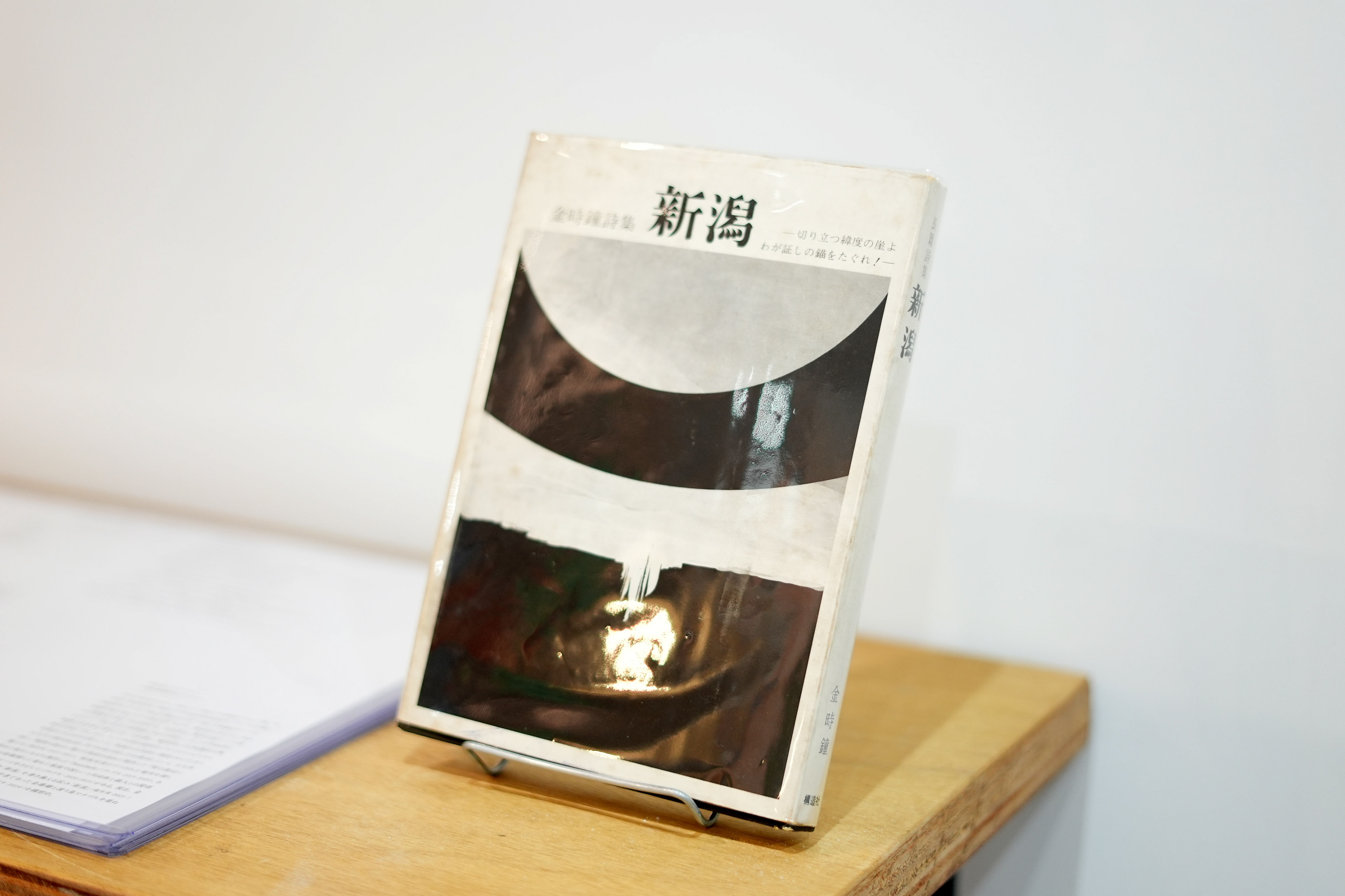
タイトルは、済州島四・三事件*1の際、日本に亡命してきた詩人・金時鐘(1929-)の長編詩『新潟』に倣っています。三章から成るこの詩には、日本に居ながら朝鮮半島の分断をいかに生きるか、という問いが刻まれています。1970年に構造社から出版され、済州島四・三事件、吹田・枚方事件*2、浮島丸事件*3、帰国事業*4などの記憶が幾重にも埋め込まれたような独特な日本語で綴られています。
朝鮮半島は、アジアの近代化において起こった大日本帝国の植民地支配(1910 -1945)を経て、解放後の混乱の中、韓国と朝鮮民主主義人民共和国に分断されます。冷戦時代に米ソの代理戦争として激化した朝鮮戦争(1950-1953)とその後も続く休戦状態は、日本社会や日本に生きる在日朝鮮人にも様々な影響を与えています。日本における南北の分断は、朝鮮民主主義人民共和国側・朝鮮総連と韓国側・民団という、二つの在日朝鮮人組織の対立に象徴されつつ、今日まで残響しています。
このプロジェクトでは、金時鐘の『新潟』を、渡日の経緯も世代も異なる私の視点から写真作品として書き換えることで、近くて遠い他者の生きた/生きている時間の延長上にルーツを複数化しようと試みます。それはルーツを探ると同時に、解体していく試みでもあるはずです。そもそも「ルーツを探る」という試みには、どのような意味があるのでしょうか。そして、そのイメージはどのように到来する/しないのでしょうか。
*1 済州島四・三事件は、朝鮮半島分断の直前に行われた南側の単独選挙に反対する済州島民の武装蜂起(1948)を契機として起こった虐殺。島全体の焦土化作戦が繰り広げられ、凄惨な様相を呈したこの事件は、長らくの間タブー視され、2000年頃まで公には語られてこなかった。
*2 吹田事件は1952年6月に大阪で起こった、朝鮮戦争と戦争協力に反対するデモ隊と警官隊が衝突した事件。枚方事件も同日に起こり、兵器を製造する工場などを爆破した。
*3 戦争直後の1945年8月24日、青森の大湊から釜山へ向け出向した旧日本海軍の輸送船である浮島丸が京都の舞鶴港で爆破、沈没した事件。浮島丸は戦争末期に徴用された朝鮮人とその家族を乗せていた。500人以上が死亡し、1950年代に入ってようやく引き上げが開始された。爆発の原因は未だ謎のままである。
*4 1959年から1984年にかけて日本政府、朝鮮民主主義人民共和国政府、赤十字社によって行われた在日朝鮮人を朝鮮民主主義人民共和国に「帰す」試み。北朝鮮は「地上の楽園」であるというプロパガンダのもと差別や生活苦などを理由に9 万人以上の人々が海を渡っていった。また、在日朝鮮人の大多数は、分断する以前の南側地域の出身であったが、思想的には朝鮮民主主義人民共和国に共鳴する人々が少なくなかった。その背景として、未だ社会主義国家の発展が期待されていた50年代、韓国は軍事独裁政権の時代であり、日本との国交も正常化していなかった事情がある。帰国事業において送り出す側であった市民の多くが肯定的な見解を示したように、海の向こう側の未知なる社会主義国家への期待は、日本社会においても例外ではなかった。
The title is inspired by the long poem “Niigata” by Kim Si-jong (1929–), a poet who fled to Japan during the Jeju April 3 Incident*1. This three-part poem explores the question of how to live with the division of the Korean Peninsula while residing in Japan. Published by Kōzōsha in 1970, it is written in a unique style of Japanese that seems to weave together memories of the Jeju April 3 Incident, the Suita-Hirakata Incident*2, the Ukishima Maru Incident*3, and the repatriation roject to North Korea*4.
After Japan’s colonial rule (1910–1945) during Asia’s modernization, the Korean Peninsula was divided into South Korea and the North Korea amid the chaos following liberation. The Korean War (1950–1953), which escalated during the Cold War as a proxy war between the United States and the Soviet Union, and the subsequent armistice that has persisted ever since, have had various impacts on Japanese society and on Zainichi, the Korean Japanese residents living in Japan. The division between North and South Korea in Japan continues to resonate to this day, symbolized by the rivalry between the two organizations representing Korean Japanese: the General Association of Korean Residents in Japan, aligned with the Democratic People’s Republic of Korea, and the Korean Residents’ Union in Japan, aligned with South Korea.
This project reinterprets Kim Si-jong’s “Niigata” as a photographic work from my perspective which differs from his background, in means of when and why he crossed Japan. By doing so, I aim to pluralize the roots of our history whilst interpreting the living time of a close yet far distant narrative of another person. This project trace down the roots but could also be the process of breaking it down. What is the significance of the endeavor to “trace one's roots” in the first place? And how does that image come about—or fail to come about?
*1 The Jeju April 3 Incident was a massacre triggered by an armed uprising (1948) by the people of Jeju Island in opposition to the unilateral elections held in the South shortly before the division of the Korean Peninsula. This incident, which took on a horrific nature as a scorched-earth campaign was waged across the entire island, was long considered a taboo subject and was not openly discussed until around the year 2000.
*2 The Suita Incident was a clash between demonstrators protesting the Korean War and government support for the war and police forces that occurred in Osaka, Japan in June 1952. The Hirakata Incident also took place on the same day, involving the bombing of factories producing military equipment.
*3 On August 24, 1945, shortly after the end of the war, the Ukishima Maru—a former Imperial Japanese Navy transport ship that had set sail from Ominato City, Aomori, bound for Busan—was blown up and sank in Maizuru Port, Kyoto. The Ukishima Maru was carrying Koreans who had been conscripted toward the end of the war, along with their families. More than 500 people died, and salvage operations did not begin until the 1950s. The cause of the explosion remains a mystery.
*4 An initiative carried out from 1959 to 1984 by the Japanese government, the government of the North Korea, and the Red Cross to “repatriate” Koreans residing in Japan to North Korea. Under the propaganda portraying North Korea as a “paradise on earth,” more than 90,000 people crossed the sea, citing discrimination and economic hardship as their reasons. Furthermore, while the majority of Koreans in Japan were originally from the southern regions prior to the division, there were not a few who sympathized ideologically with the North Korea. This was partly due to the fact that in the 1950s, when expectations for the development of socialist states were still high, South Korea was under a military dictatorship and had not yet normalized diplomatic relations with Japan. Just as many citizens on the sending side of the program expressed positive views, the anticipation surrounding the unknown socialist nation across the sea was no exception within Japanese society.
リサーチ協力:佐藤帆乃香(新潟市芸術創造村・国際青少年センター AIRコーディネーター)、森沢真理(新潟日報社 論説編集委員室長)、藤石貴代(新潟大学人文学部/大学院現代社会文化研究科 准教授)、原亜由美(フリーランス・コーディネーター)
編集協力:原亜由美
謝辞:金時鐘、姜順喜
編集協力:原亜由美
謝辞:金時鐘、姜順喜
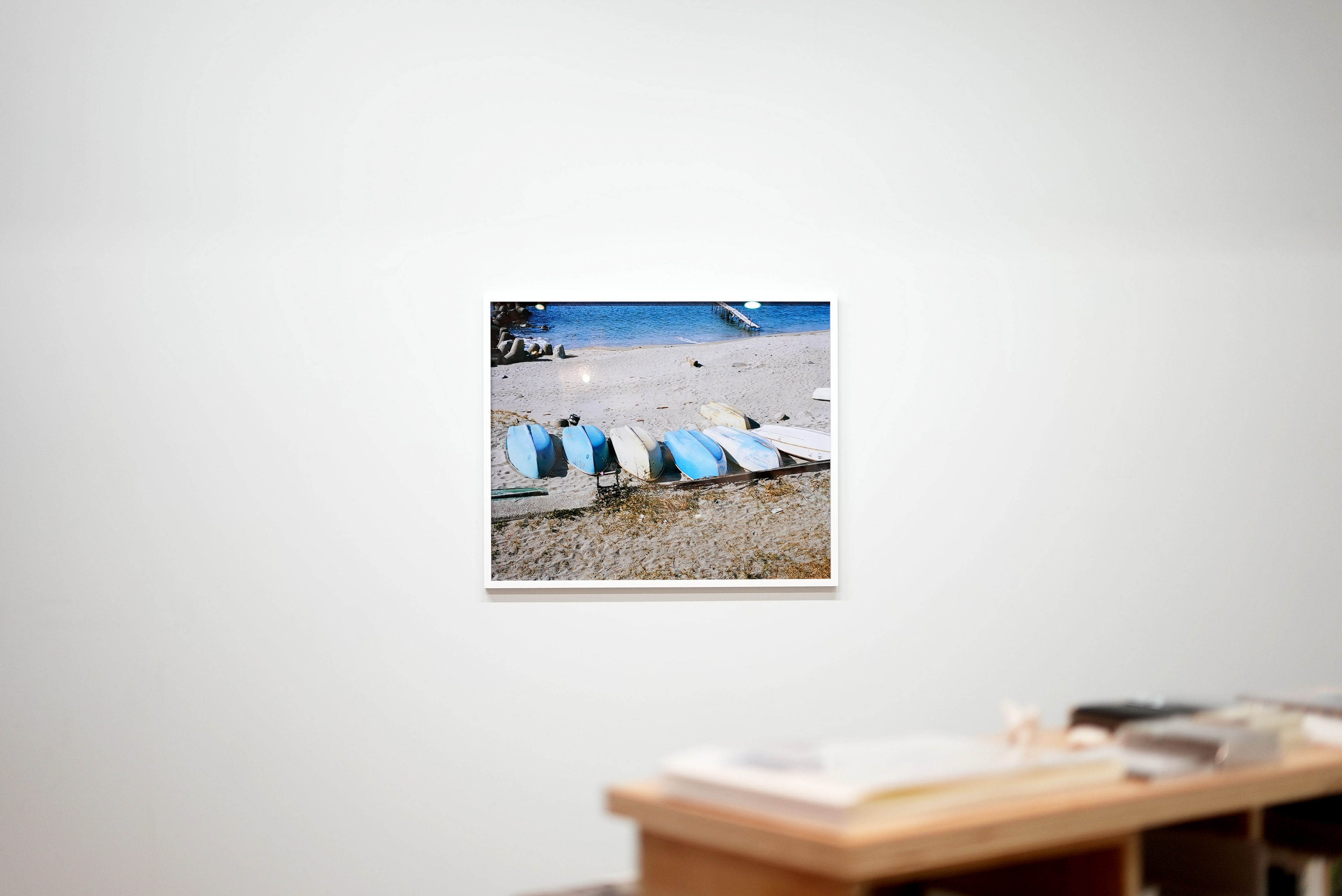
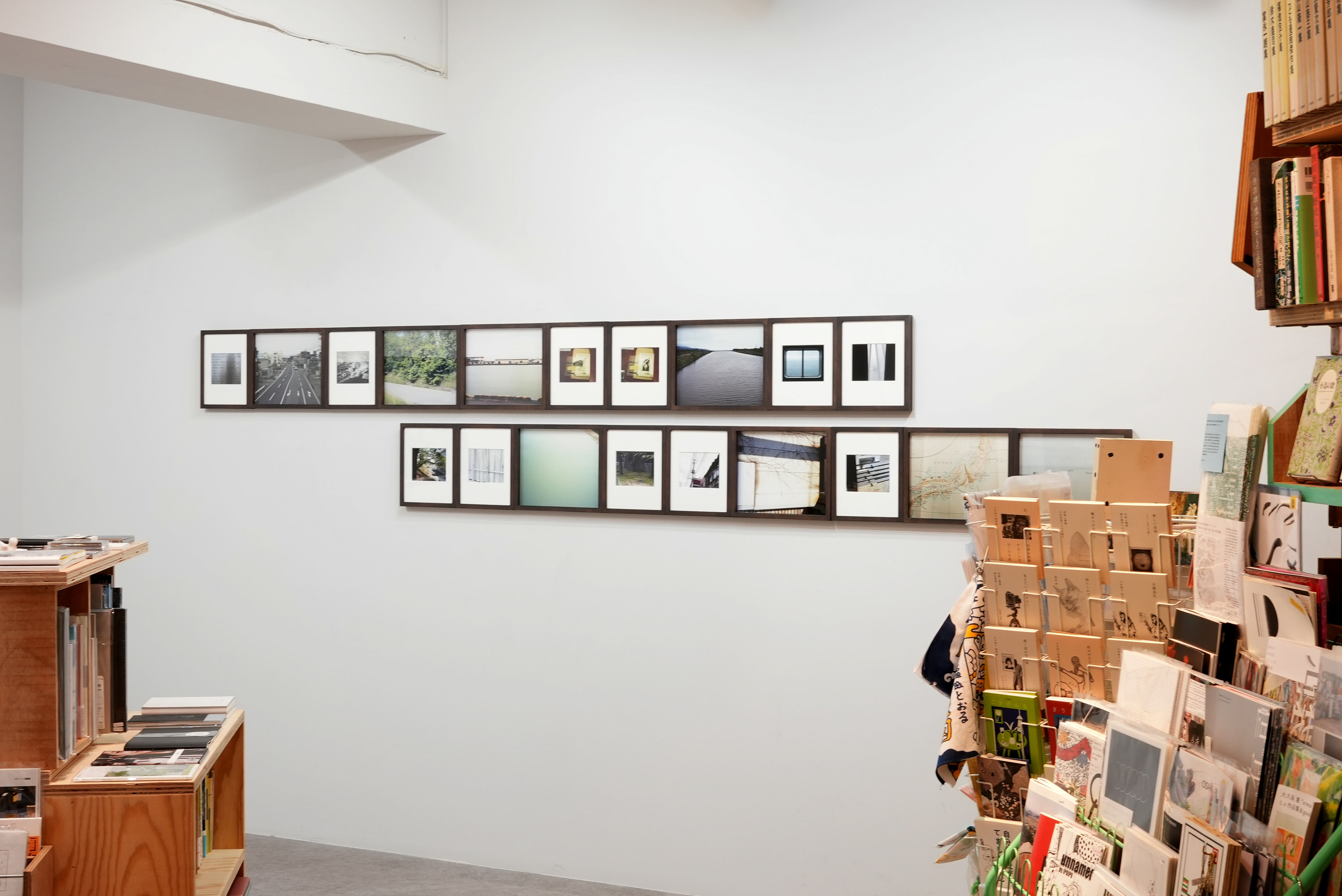
李和晋個展『新潟』
会期:2024年9月8日(日)〜9月23日(月・祝)
場所:theca(コ本や honkbooks)
デザイン:柳川智之
インストール:大塚実香子
協力:青柳菜摘
助成:公益財団法人東京都歴史文化財団 アーツカウンシル東京 スタートアップ助成、アーツサポート関西インターグループ上町台地現代アート支援寄金
場所:theca(コ本や honkbooks)
デザイン:柳川智之
インストール:大塚実香子
協力:青柳菜摘
助成:公益財団法人東京都歴史文化財団 アーツカウンシル東京 スタートアップ助成、アーツサポート関西インターグループ上町台地現代アート支援寄金
批評:東京新聞美術評2024年9月14日付朝刊(小田原のどか)
関連記事:有識者が選ぶ2024年の展覧会ベスト3:小田原のどか(彫刻家、評論家、出版社代表)|美術手帖 (有料記事)
関連記事:有識者が選ぶ2024年の展覧会ベスト3:小田原のどか(彫刻家、評論家、出版社代表)|美術手帖 (有料記事)